Design that creates space
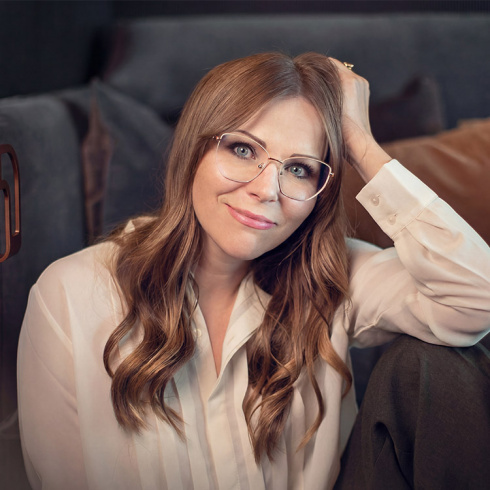
Innovator: Emelie Lundmark
Innovation: Bag shelf for handbag
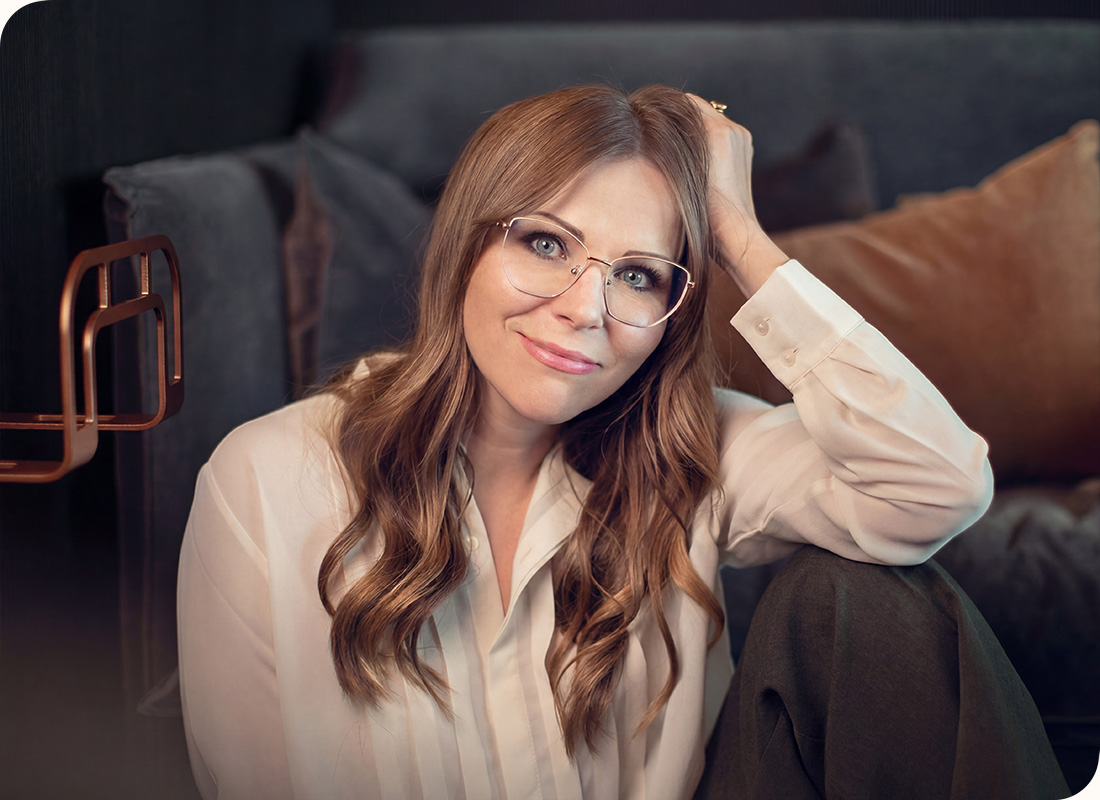
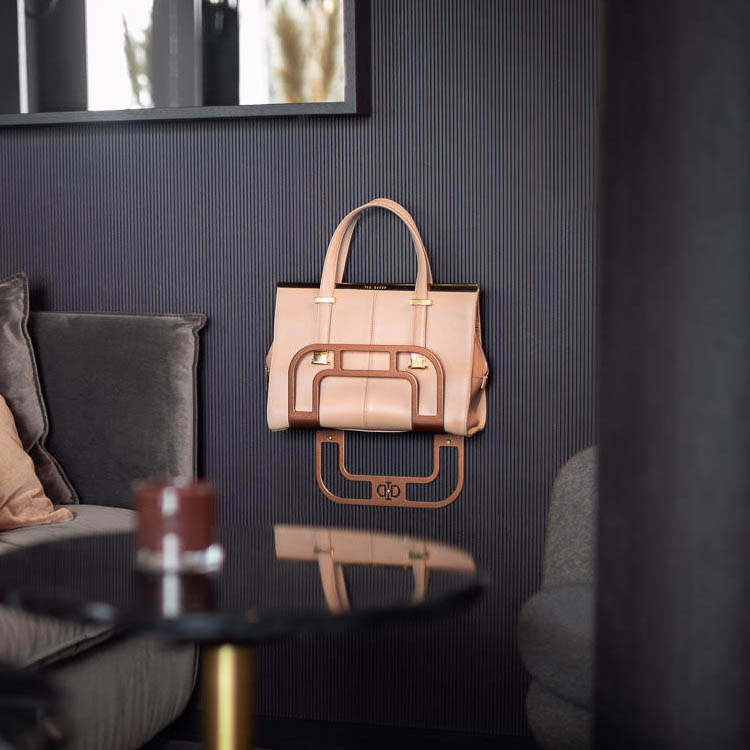
The handbag is often carefully chosen, both for its function and its expression. Yet it is often tucked away when not in use. For Emelie Lundmark, the starting point instead became to make the bag a part of the room.
Between technology and form
Emelie Lundmark was born in Turku and grew up in Jakobstad, Finland. Her path has taken her across several countries, from a year in France during high school to studies at Chalmers and an exchange in Italy. Originally, her sights were set on architecture, but it soon became clear that technical design was a better fit for her aptitude for mathematics.
At the same time, the artistic side has always been present as a parallel track, influencing how she views both form and material – and shaping how she turns ideas into practice, not least in her work on the bag shelf.
– It’s important to think things through all the way, not just how something looks, but how it will be produced and used.
A first draft
The idea emerged during a visit to her parents.
– My mother had hung a plant stand above a radiator, and I thought it was actually a perfect place for a bag.
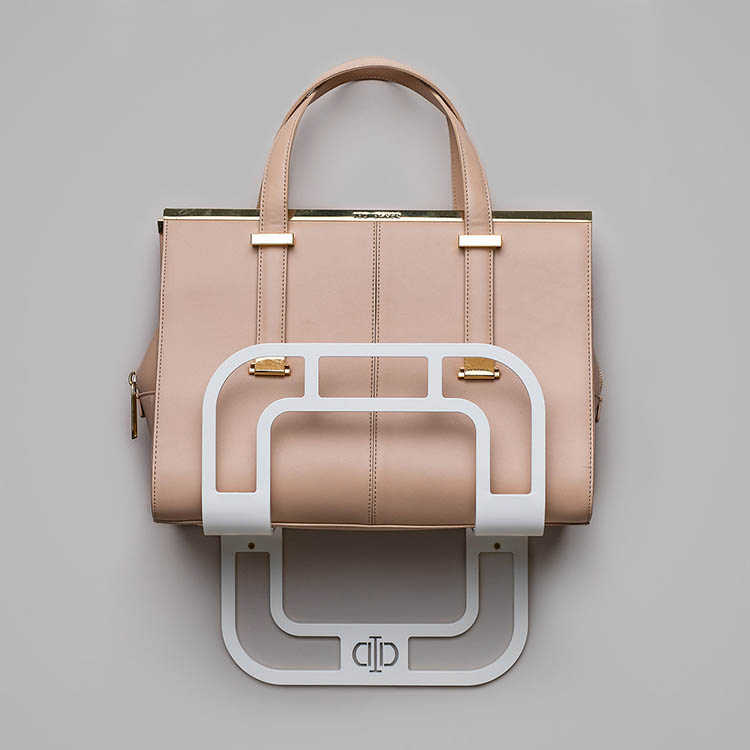
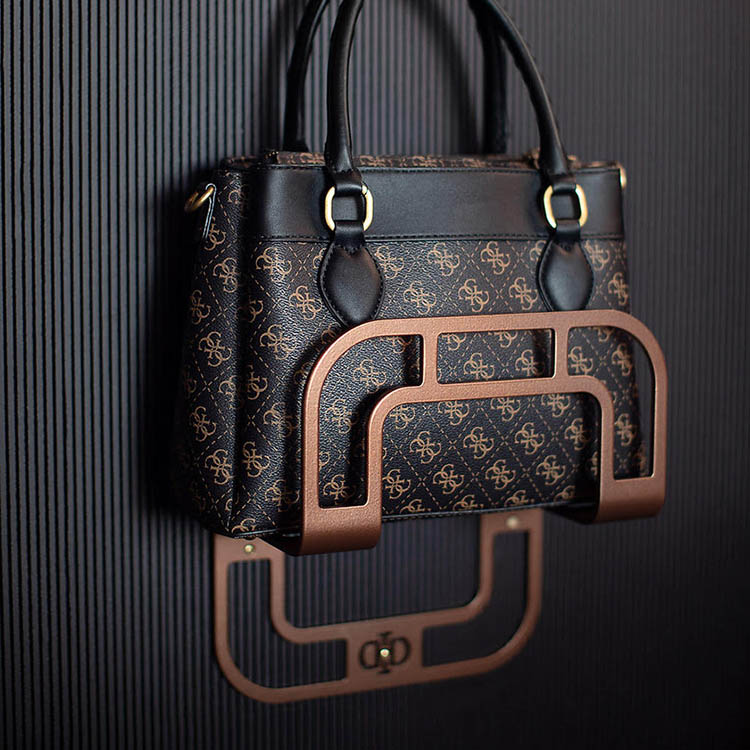
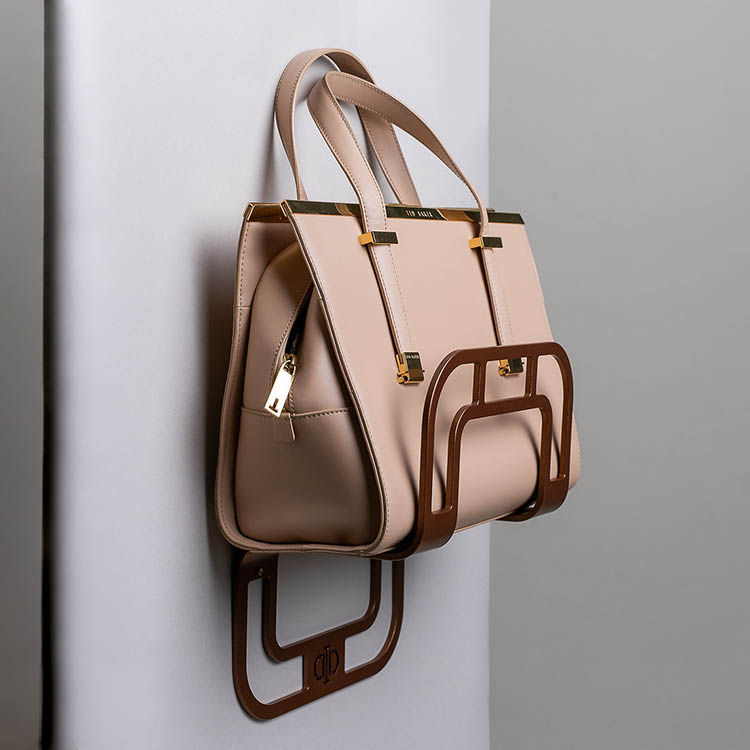
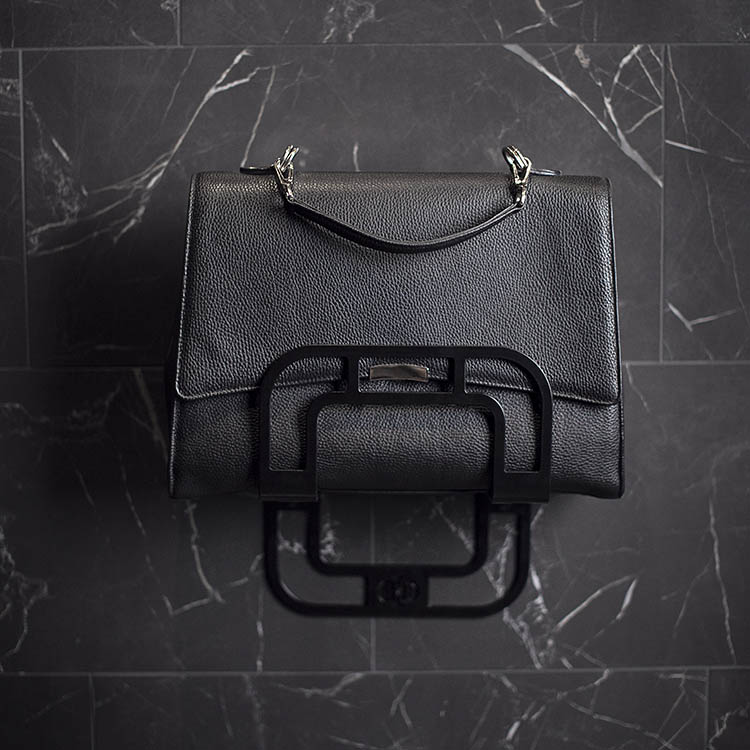
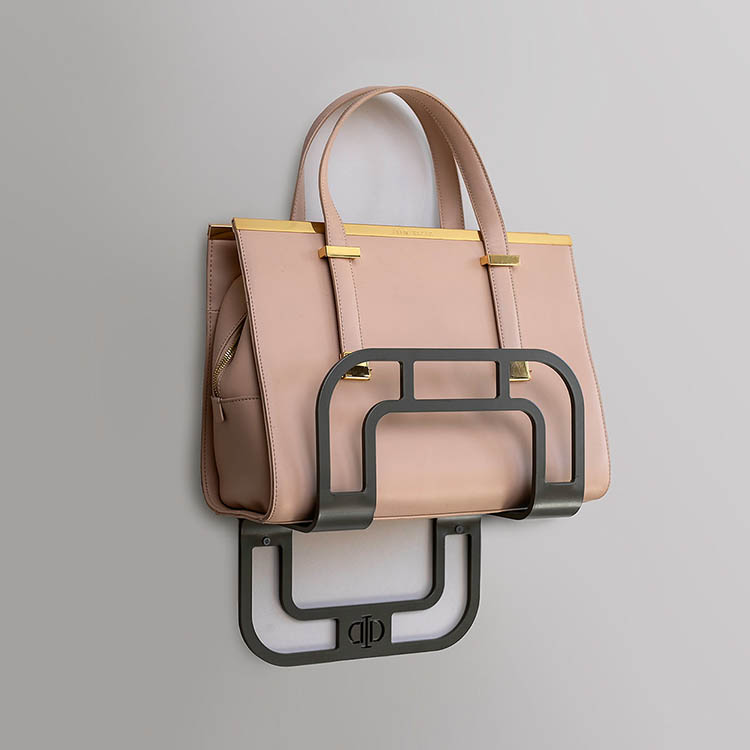
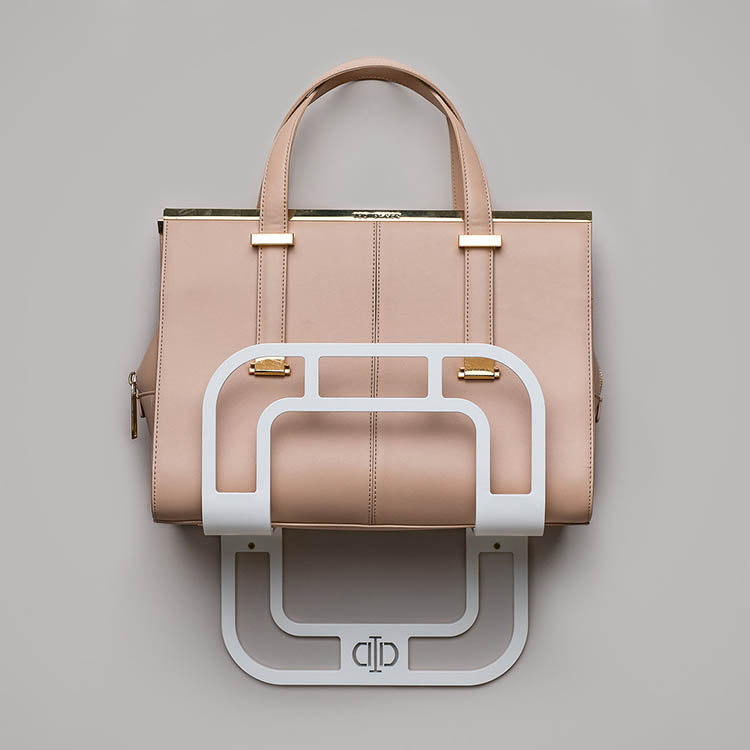
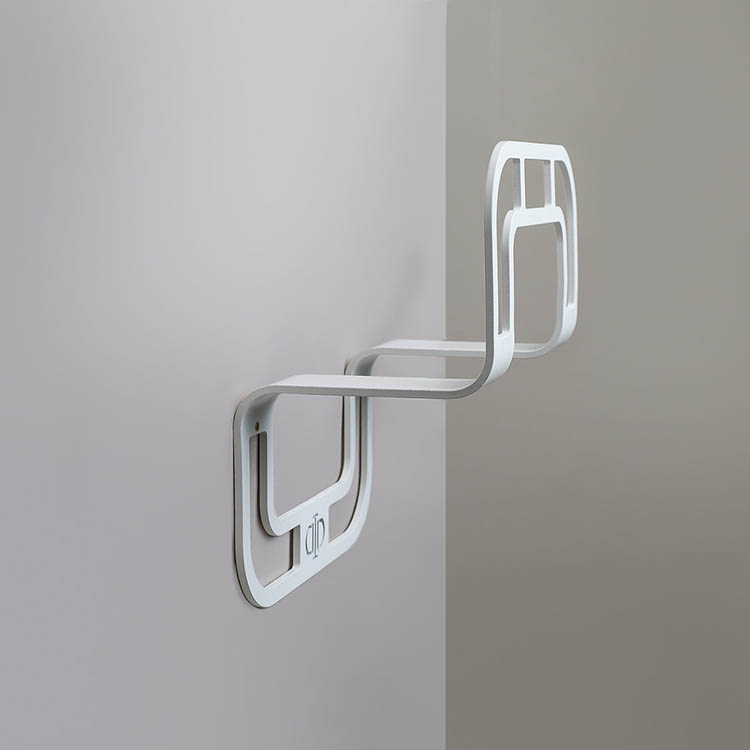
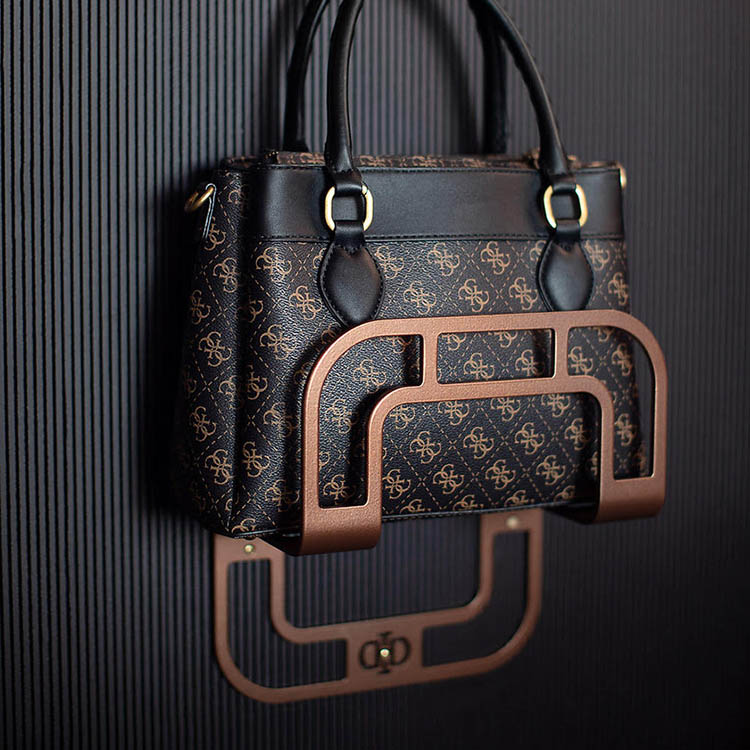
Shortly thereafter, she began sketching her own solutions – from simple drawings to 3D models and prototypes. The first version consisted of multiple parts and was more complex, but it soon proved to be both difficult and expensive to produce. Instead, the form was refined without losing its expression. The result was a minimalist design in bent aluminum. The bag rests securely – while also becoming a visible part of the room.
When less becomes more
The choice of material became a crucial part of the development. Aluminum made it possible to keep the construction both light and stable, while also simplifying manufacturing. The bent form allows the product to be made in a single piece, reducing both complexity and costs. At the same time, the material provides a durable surface.
– It’s very easy to overcomplicate things. The challenge is to keep it simple.
Production takes place locally in Örnsköldsvik, where the shelf is laser-cut and bent. The proximity makes it possible to follow the process in detail and ensure quality throughout the entire production.
Driven by creation
The bag shelf was launched in the autumn of 2020, and the following year Emelie founded her company. Taking the step from idea to reality was largely about daring to start.
– You shouldn’t overthink it. Once you’ve decided, you just have to get started.
In connection with the launch, the product received attention in several interior design contexts and was featured, among others, in Plaza Interiör. Through Formex Design Talent, she also connected with SmartaSaker.
Today, she works on new accessories, such as hooks made from leftover production material, as well as parallel projects like an illustrated children’s book. The drive to create runs throughout – testing ideas and taking them all the way to a finished form.
Tips for other innovators
Keep it simple. Good design is simple. It should work all the way – from form to production.
Don’t wait for perfection. Test early, listen to feedback, and improve along the way.
Dare to invest and be patient. Launching a product requires the courage to start and the persistence to keep going.
The handbag is often carefully chosen, both for its function and its expression. Yet it is often tucked away when not in use. For Emelie Lundmark, the starting point instead became to make the bag a part of the room.
Between technology and form
Emelie Lundmark was born in Turku and grew up in Jakobstad, Finland. Her path has taken her across several countries, from a year in France during high school to studies at Chalmers and an exchange in Italy. Originally, her sights were set on architecture, but it soon became clear that technical design was a better fit for her aptitude for mathematics.
At the same time, the artistic side has always been present as a parallel track, influencing how she views both form and material – and shaping how she turns ideas into practice, not least in her work on the bag shelf.
– It’s important to think things through all the way, not just how something looks, but how it will be produced and used.
A first draft
The idea emerged during a visit to her parents.
– My mother had hung a plant stand above a radiator, and I thought it was actually a perfect place for a bag.
Shortly thereafter, she began sketching her own solutions – from simple drawings to 3D models and prototypes. The first version consisted of multiple parts and was more complex, but it soon proved to be both difficult and expensive to produce. Instead, the form was refined without losing its expression. The result was a minimalist design in bent aluminum. The bag rests securely – while also becoming a visible part of the room.
When less becomes more
The choice of material became a crucial part of the development. Aluminum made it possible to keep the construction both light and stable, while also simplifying manufacturing. The bent form allows the product to be made in a single piece, reducing both complexity and costs. At the same time, the material provides a durable surface.
– It’s very easy to overcomplicate things. The challenge is to keep it simple.
Production takes place locally in Örnsköldsvik, where the shelf is laser-cut and bent. The proximity makes it possible to follow the process in detail and ensure quality throughout the entire production.
Driven by creation
The bag shelf was launched in the autumn of 2020, and the following year Emelie founded her company. Taking the step from idea to reality was largely about daring to start.
– You shouldn’t overthink it. Once you’ve decided, you just have to get started.
In connection with the launch, the product received attention in several interior design contexts and was featured, among others, in Plaza Interiör. Through Formex Design Talent, she also connected with SmartaSaker.
Today, she works on new accessories, such as hooks made from leftover production material, as well as parallel projects like an illustrated children’s book. The drive to create runs throughout – testing ideas and taking them all the way to a finished form.
Tips for other innovators
Keep it simple. Good design is simple. It should work all the way – from form to production.
Don’t wait for perfection. Test early, listen to feedback, and improve along the way.
Dare to invest and be patient. Launching a product requires the courage to start and the persistence to keep going.





![% text('country_no') %]](/themes/enterprise/design/bilder/flags/no.svg)