Rethinking space on the road
Innovator: Mikael Nelderup
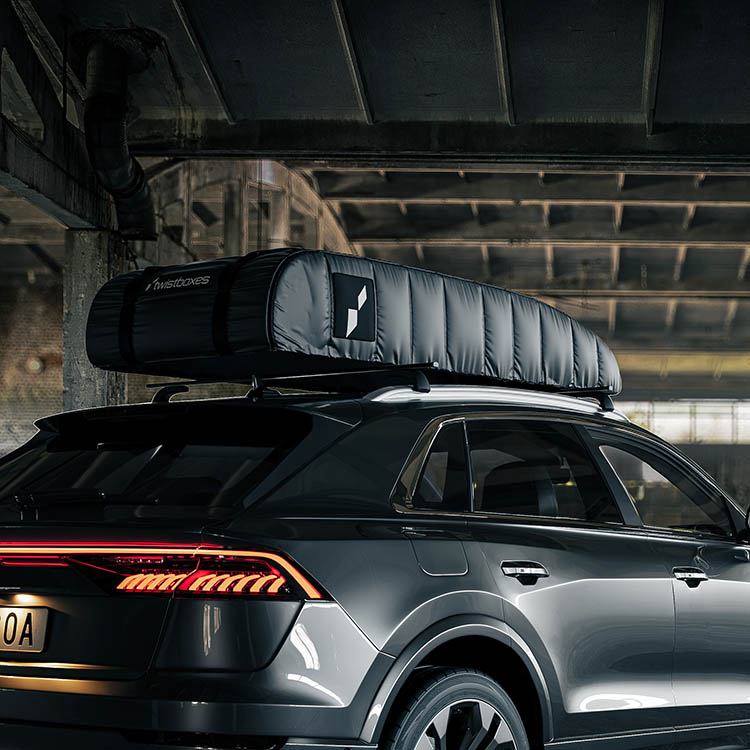
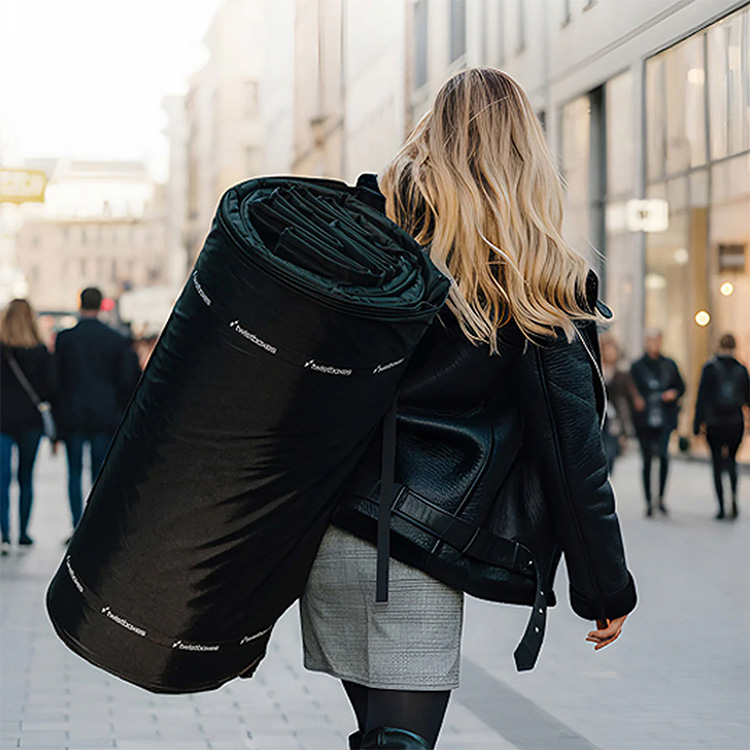
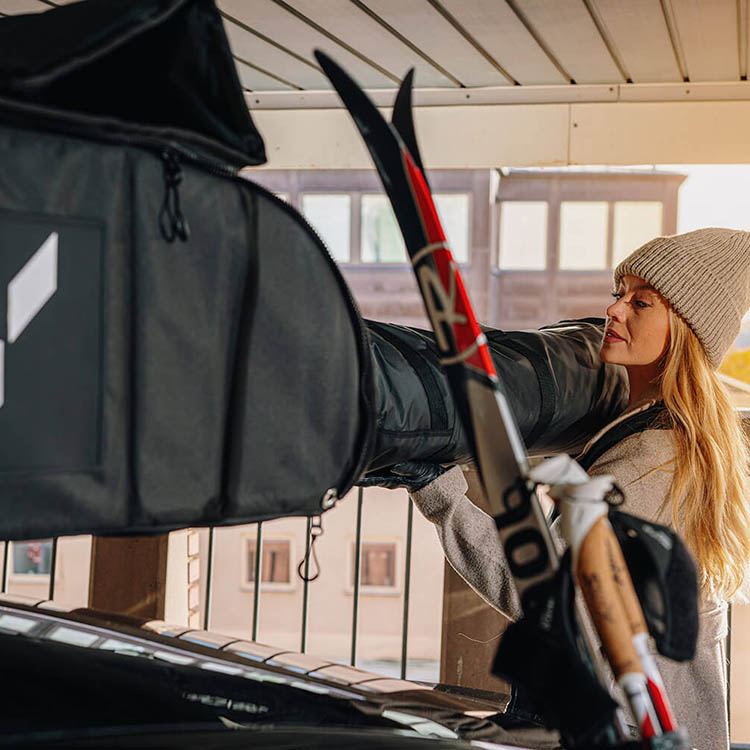
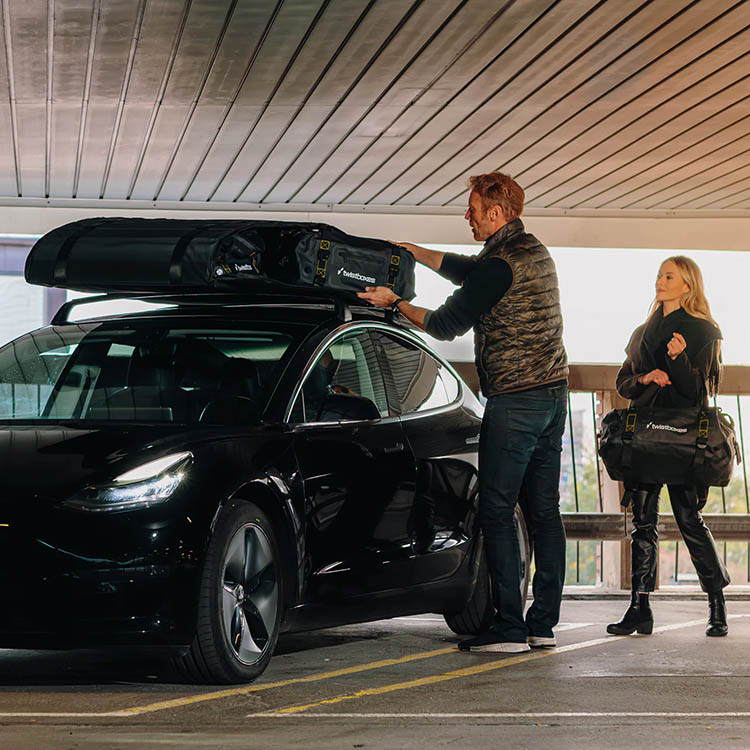
Innovation: Roll-up roof box, Twistboxes

A roof box solves a problem on the road – and creates a new one once the journey is over. It is large, difficult to store and cumbersome to handle. For Mikael Nelderup, this very contradiction became the starting point for an idea: a roof box that does the same job – but far more intelligently.
The insight came to him about five years ago, during a drive home from the winter holidays, as car after car passed by – all carrying the same type of load on their roofs.
– I must have seen five thousand roof boxes that day. All had been used that week and perhaps for a week in the summer. It struck me how much space they take up, how rarely they are used, and how awkward they are to handle – both for consumers and retailers. I immediately felt there had to be a smarter way of doing it.
From bulky to compact
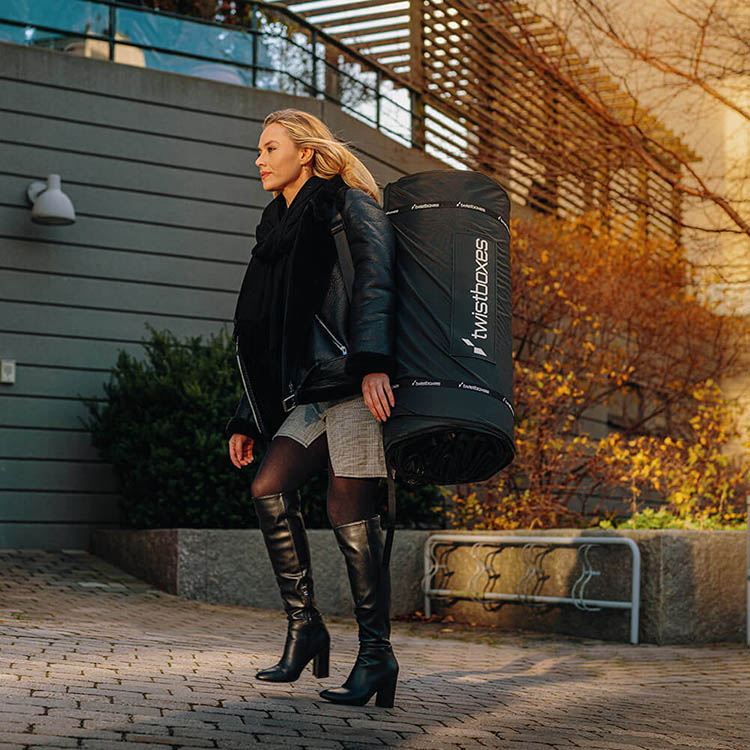
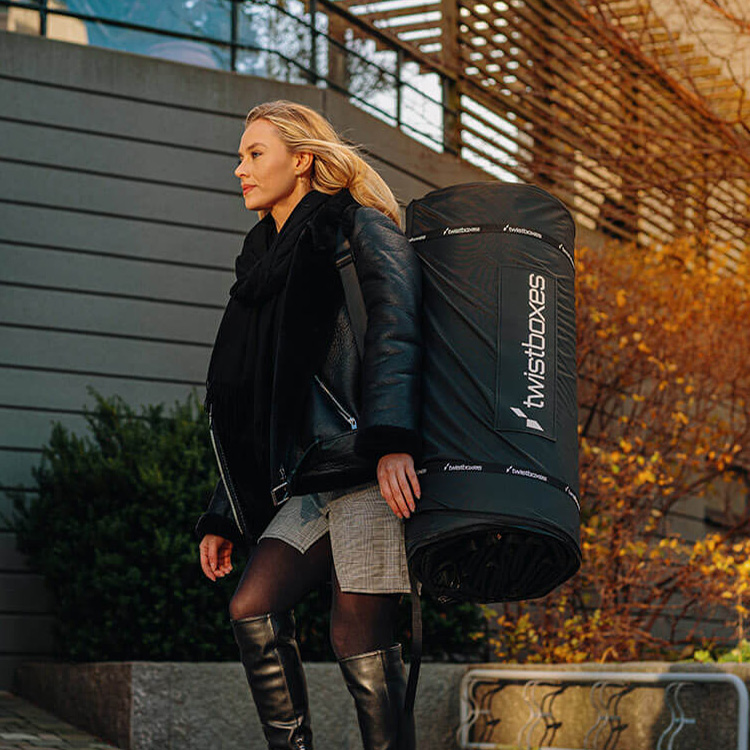
In his search for a solution, he focused on a simple motion. Something that alternates between being rigid and rolling up – much like a slap-wrap reflector. Could the same principle work on a car roof? Something that holds its shape during use, but takes up no space in between.
Seeing solutions rather than problems has been a constant throughout his career. With a background in retail, he has a trained eye for products – particularly those that don’t quite work. This became a driving force to start testing, sketching and refining the idea of a design that is both rigid and flexible at the same time.
– At first, I thought it would simply roll itself up, just like the reflector. But quite quickly I realised that wouldn’t work in practice. I needed something that could both roll up and be securely locked in place on the roof.
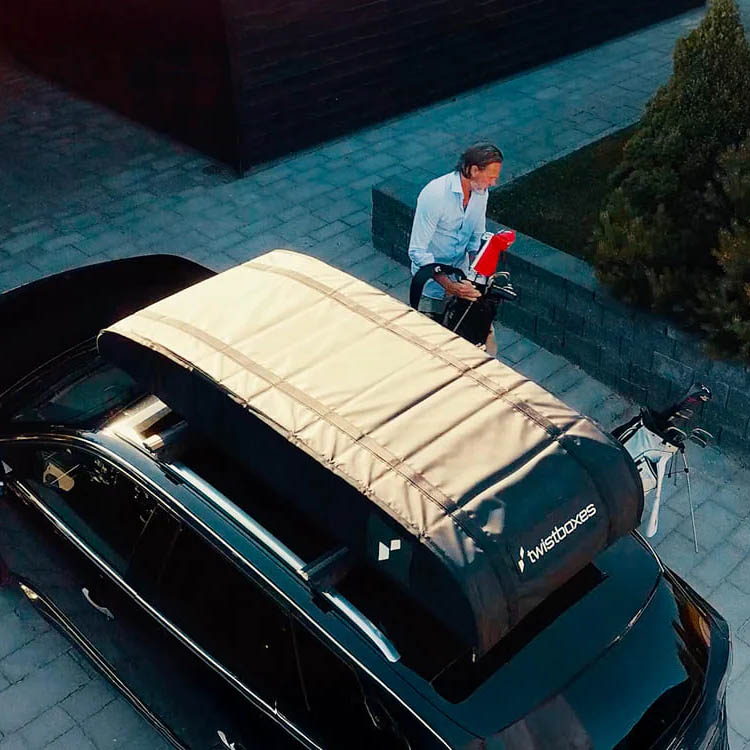
The road ahead was far from straightforward. The initial attempts were more about understanding what didn’t work than finding the right solution straight away. In the garage, sketches took physical form; materials were tested and sewn by hand, adjusted and tested again. The core eventually became a thin steel sheet, just 0.6 millimetres thick, secured with metal buckles. Stable enough to hold its shape, yet flexible enough to be rolled up after use. Around this, he sewed an outer cover made of durable fabric.
For nearly a year, he drove around with his homemade solution on the roof. It was fitted before trips to Åre and Sälen, packed full of equipment, and removed again as soon as it was no longer needed. Gradually, the perspective shifted: it was no longer just a clever solution for personal use, but a product that could work far beyond his own driveway.
Kickstarter meets the market
Once the patent was in place, Mikael used Kickstarter as the first test – a simple way to try the idea on the market. At the same time, the conditions were far from ideal. He spent no money on marketing, which meant the project ended up buried in the platform’s listings and was difficult to discover. Despite this, orders began to come in.
– Malaysia, New York, all over the place. But almost none from Sweden, Norway or Finland.
The unexpected pattern became an insight in itself. What had initially seemed like a solution for the
Scandinavian market turned out to appeal to users far beyond the context in which the idea had arisen. The Kickstarter campaign therefore functioned not only as a sales channel, but also as an early validation that the product had real relevance – and that its potential extended well beyond Scandinavia.
Design that pushes boundaries
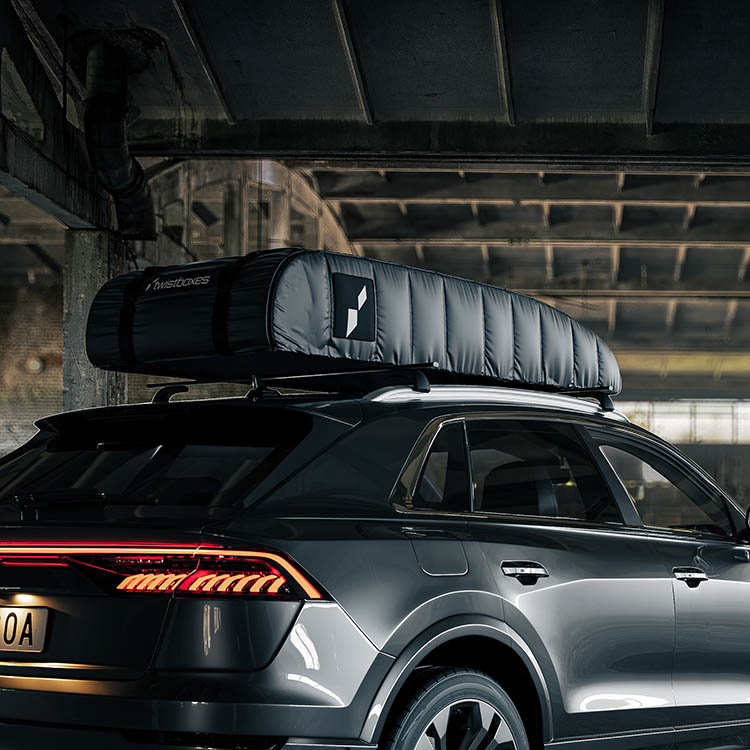
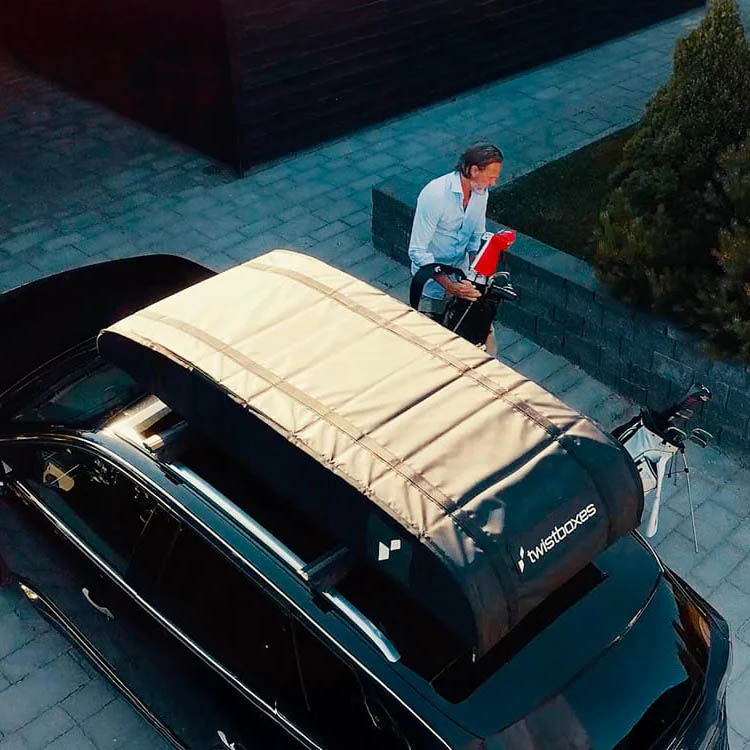
As the solution continued to evolve, it developed features that few traditional alternatives have. One of the most surprising relates to aerodynamics. Unlike traditional roof boxes, which are narrow at the front and wide at the rear, Twistboxes has the opposite shape – thicker at the front and narrower at the rear. This allows air to flow more efficiently over the car and reduces drag by around 25 per cent. For electric vehicles, this can mean up to 10 per cent greater range. The effect is also noticeable inside the cabin: whereas roof boxes often generate wind noise, Twistboxes is, in practice, virtually silent while driving.
– We questioned everything: the shape, the materials, and what happens when it’s not inuse. The goal was always to do for the roof box what Spotify did for music – to simplify the experience.
Safety has also been crucial in the development. In government crash tests, the structure withstands forces of 26.8 g – equivalent to a collision at 50 km/h straight into a wall. This means Twistboxes can endure forces on a par with child car seats – well above what is expected of a roof box.
Precision in production
Behind Twistboxes is also a carefully considered production strategy. The materials and components required are now largely concentrated in Asia. In practice, this has proven to result in a lower carbon footprint than production in Europe, where parts would need to be transported in multiple stages. Manufacturing takes place in a highly automated factory, where much of the process is machine-based, including sewing. This ensures consistent quality, high efficiency and reduced resource consumption. At the same time, the design and innovation are entirely Swedish, with patents and product development rooted in Sweden.
Alongside the roof box, the same Twistboxes design has led to additional products, including inflatable and vacuum-compressible bags – from duffel bags to ski bags capable of holding multiple pairs of skis.
From Sweden to the world
What began as a garage project in Västerås has, in a short time, spread far beyond Sweden’s borders. Today, Twistboxes is sold in around thirty countries and is available through a growing number of retailers. All of this without investment in marketing – growth has instead been driven by strong customer response, particularly internationally.
For Mikael, it’s not just about improving an existing product – but about removing the compromises that have always come with it. A roof box that doesn’t get in the way for most of the year, doesn’t need to be stored in a shed or lifted into the loft. One that is there when you need it – and otherwise not at all.
Tips for other innovators
If you don’t start, it will never happen.
Every penny saved is a penny earned. Hold on to your money and distinguish between need to have and nice to have.
Go your own way. That’s how you get there first.
A roof box solves a problem on the road – and creates a new one once the journey is over. It is large, difficult to store and cumbersome to handle. For Mikael Nelderup, this very contradiction became the starting point for an idea: a roof box that does the same job – but far more intelligently.
The insight came to him about five years ago, during a drive home from the winter holidays, as car after car passed by – all carrying the same type of load on their roofs.
– I must have seen five thousand roof boxes that day. All had been used that week and perhaps for a week in the summer. It struck me how much space they take up, how rarely they are used, and how awkward they are to handle – both for consumers and retailers. I immediately felt there had to be a smarter way of doing it.
From bulky to compact
In his search for a solution, he focused on a simple motion. Something that alternates between being rigid and rolling up – much like a slap-wrap reflector. Could the same principle work on a car roof? Something that holds its shape during use, but takes up no space in between.
Seeing solutions rather than problems has been a constant throughout his career. With a background in retail, he has a trained eye for products – particularly those that don’t quite work. This became a driving force to start testing, sketching and refining the idea of a design that is both rigid and flexible at the same time.
– At first, I thought it would simply roll itself up, just like the reflector. But quite quickly I realised that wouldn’t work in practice. I needed something that could both roll up and be securely locked in place on the roof.
The road ahead was far from straightforward. The initial attempts were more about understanding what didn’t work than finding the right solution straight away. In the garage, sketches took physical form; materials were tested and sewn by hand, adjusted and tested again. The core eventually became a thin steel sheet, just 0.6 millimetres thick, secured with metal buckles. Stable enough to hold its shape, yet flexible enough to be rolled up after use. Around this, he sewed an outer cover made of durable fabric.
For nearly a year, he drove around with his homemade solution on the roof. It was fitted before trips to Åre and Sälen, packed full of equipment, and removed again as soon as it was no longer needed. Gradually, the perspective shifted: it was no longer just a clever solution for personal use, but a product that could work far beyond his own driveway.
Kickstarter meets the market
Once the patent was in place, Mikael used Kickstarter as the first test – a simple way to try the idea on the market. At the same time, the conditions were far from ideal. He spent no money on marketing, which meant the project ended up buried in the platform’s listings and was difficult to discover. Despite this, orders began to come in.
– Malaysia, New York, all over the place. But almost none from Sweden, Norway or Finland.
The unexpected pattern became an insight in itself. What had initially seemed like a solution for the
Scandinavian market turned out to appeal to users far beyond the context in which the idea had arisen. The Kickstarter campaign therefore functioned not only as a sales channel, but also as an early validation that the product had real relevance – and that its potential extended well beyond Scandinavia.
Design that pushes boundaries
As the solution continued to evolve, it developed features that few traditional alternatives have. One of the most surprising relates to aerodynamics. Unlike traditional roof boxes, which are narrow at the front and wide at the rear, Twistboxes has the opposite shape – thicker at the front and narrower at the rear. This allows air to flow more efficiently over the car and reduces drag by around 25 per cent. For electric vehicles, this can mean up to 10 per cent greater range. The effect is also noticeable inside the cabin: whereas roof boxes often generate wind noise, Twistboxes is, in practice, virtually silent while driving.
– We questioned everything: the shape, the materials, and what happens when it’s not inuse. The goal was always to do for the roof box what Spotify did for music – to simplify the experience.
Safety has also been crucial in the development. In government crash tests, the structure withstands forces of 26.8 g – equivalent to a collision at 50 km/h straight into a wall. This means Twistboxes can endure forces on a par with child car seats – well above what is expected of a roof box.
Precision in production
Behind Twistboxes is also a carefully considered production strategy. The materials and components required are now largely concentrated in Asia. In practice, this has proven to result in a lower carbon footprint than production in Europe, where parts would need to be transported in multiple stages. Manufacturing takes place in a highly automated factory, where much of the process is machine-based, including sewing. This ensures consistent quality, high efficiency and reduced resource consumption. At the same time, the design and innovation are entirely Swedish, with patents and product development rooted in Sweden.
Alongside the roof box, the same Twistboxes design has led to additional products, including inflatable and vacuum-compressible bags – from duffel bags to ski bags capable of holding multiple pairs of skis.
From Sweden to the world
What began as a garage project in Västerås has, in a short time, spread far beyond Sweden’s borders. Today, Twistboxes is sold in around thirty countries and is available through a growing number of retailers. All of this without investment in marketing – growth has instead been driven by strong customer response, particularly internationally.
For Mikael, it’s not just about improving an existing product – but about removing the compromises that have always come with it. A roof box that doesn’t get in the way for most of the year, doesn’t need to be stored in a shed or lifted into the loft. One that is there when you need it – and otherwise not at all.
Tips for other innovators
If you don’t start, it will never happen.
Every penny saved is a penny earned. Hold on to your money and distinguish between need to have and nice to have.
Go your own way. That’s how you get there first.








![% text('country_no') %]](/themes/enterprise/design/bilder/flags/no.svg)