Designing for the power of small hands
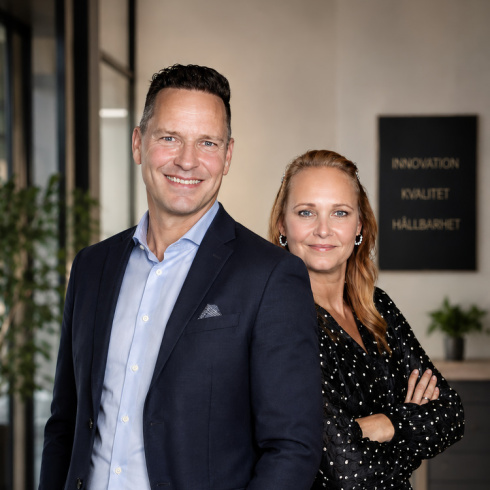
Innovator: Sandra Karlsson & Anders Larsson
Innovation: Children's plate with suction cup and strap
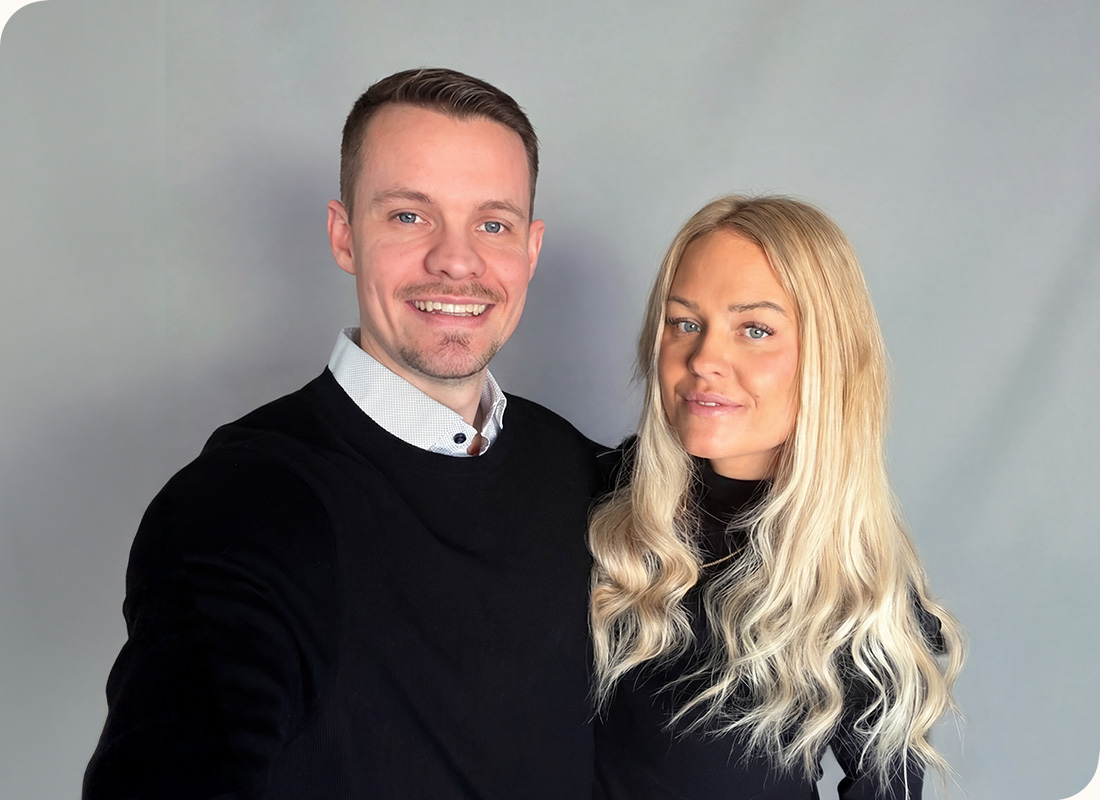
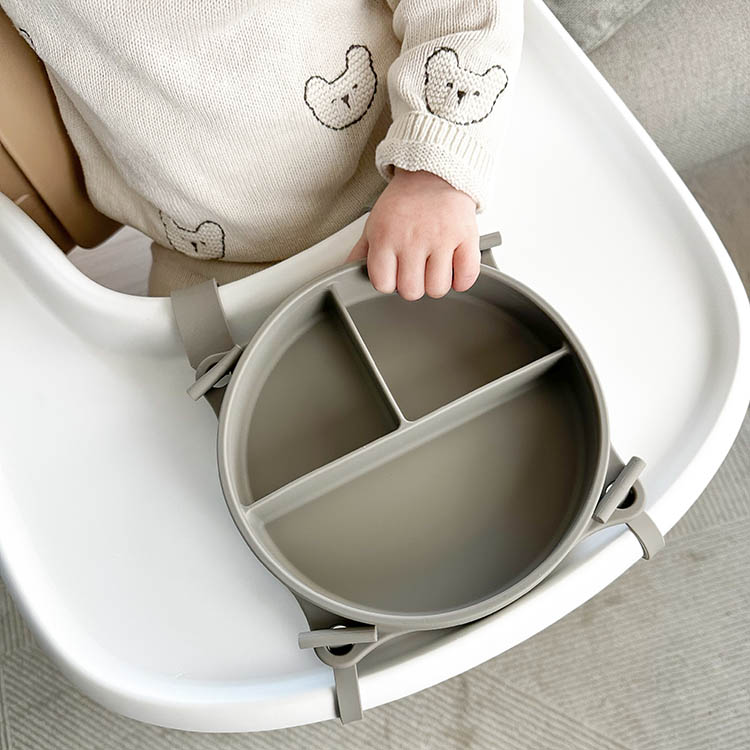
Small children explore the world through movement. They pull to feel resistance, twist to see what happens, and turn upside down whatever can be turned. At the dining table this is especially clear: if the plate can be lifted, it will be lifted – and moments later it is on the floor. For Sandra Karlsson and Anders Larsson, wiping up became more than just a passing phase. But instead of trying to change the behaviour, they chose to change the conditions – with a children’s plate that fastens underneath the tray and withstands every determined attempt to lift it.
Understanding the strength of small hands
There is no shortage of children’s plates. With multiple compartments, cheerful colours and high rims to keep food in place. Yet they are surprisingly easy to move. During her parental leave in 2022, Sandra began experimenting – first in theory, then at the kitchen table. With fifteen years’ experience in retail, she is used to identifying gaps where everyday life and product offerings do not quite meet.
– I began to realise that everyone had focused on making sure plates stayed still on the table. But no one had really accounted for the fact that children often try to lift them.
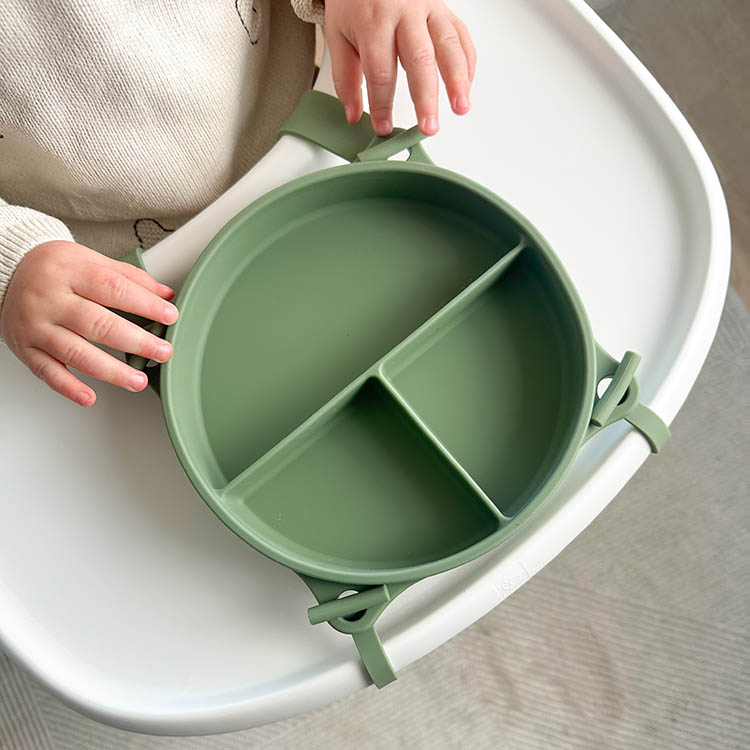
Instead of making the plate more stable on top of the tray, she began exploring how it could be anchored from underneath. She created an initial prototype at home using a glue gun, mainly to test whether the idea worked in practice. It was a simple, almost obvious adjustment – but the effect was immediate. Small hands pulled and twisted, testing the edge and grip, yet the plate did not move. And when it no longer responded to attempts to shift it, something else happened: attention shifted to the food.
– It was a very simple prototype, just to test the idea. But when our son tugged and pulled and it still stayed in place, we felt we were on to something.
Design through iteration
When she looked more closely at design registers in Sweden, Norway and the EU, it turned out that no similar solution had been registered. What remained was to determine whether the idea would hold up all the way – not just in theory.
At this stage, Anders became a key part of the development. With his background as a chartered engineer, he was able to take the ideas from paper sketches to refined CAD drawings and 3D-printed prototypes. What had previously existed only in their minds suddenly had weight and form – something to twist and turn, examine and question. And it was at the kitchen table that they were put to the test in everyday life: they had to withstand curious small hands and the stubborn strength that comes with them.
But it is one thing to make a prototype work at the kitchen table. It is another to prepare it for production. Custom tooling had to be developed, material choices secured and certifications arranged – each decision carrying consequences for both time and budget. In practice, this meant that the tools for both the plate and the straps had to be remade several times.
– Every time we changed the tooling, it took around 30 days. And every change costs money. In the end, we were almost six times over the original budget.
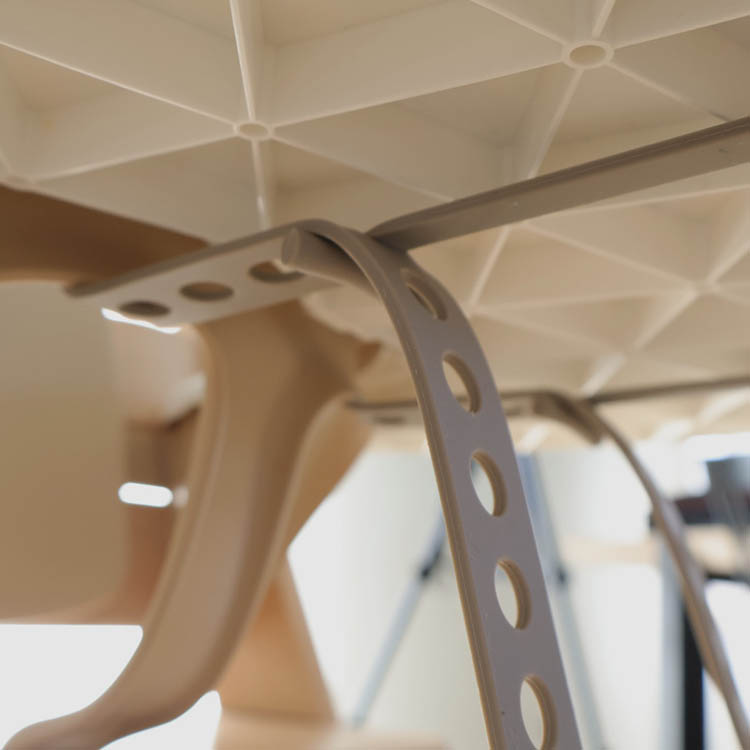
The hardness of the straps proved particularly crucial. The first versions were too soft and could not withstand the strain. To increase durability, the hardness of the straps was raised, while the plate itself was reinforced to make it more robust. This required further tooling adjustments – driving costs up even more.
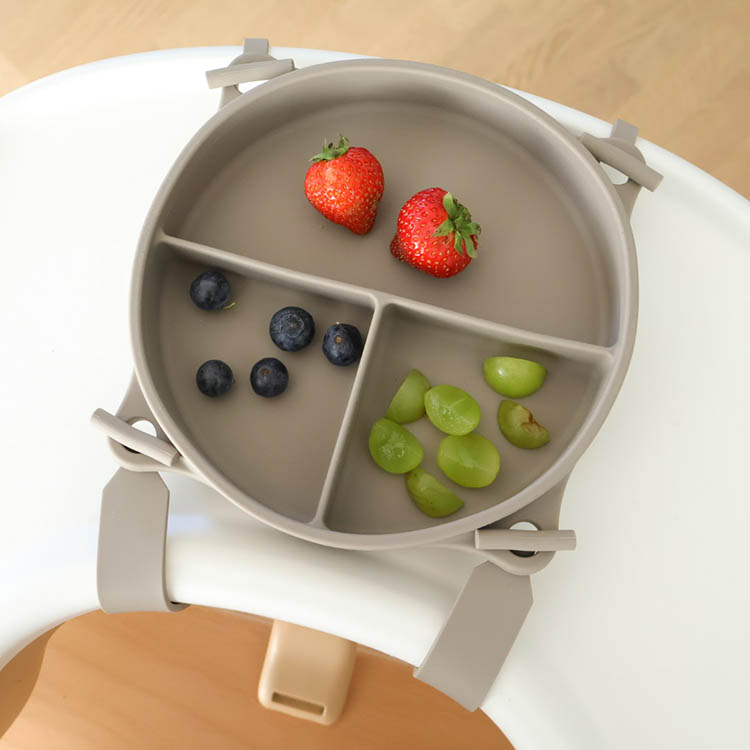
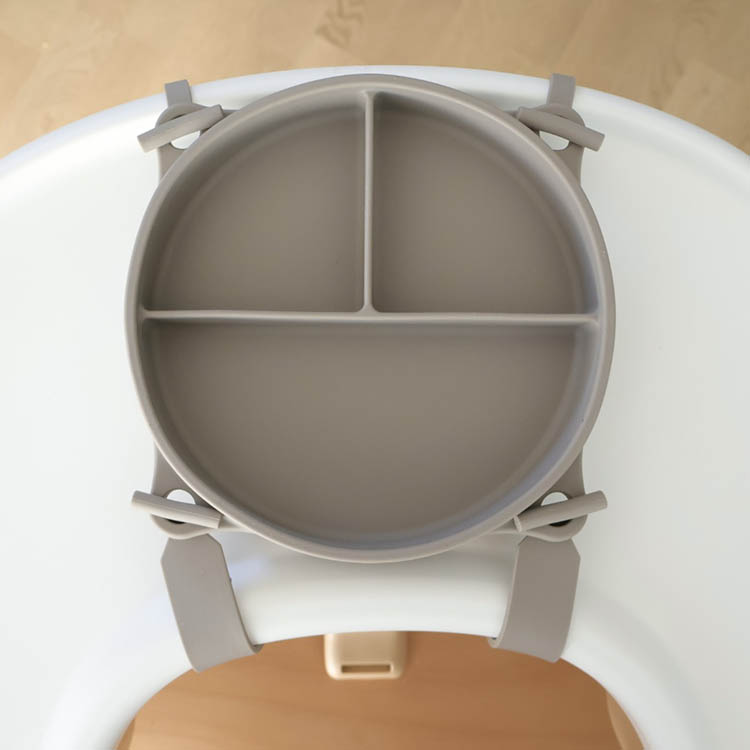
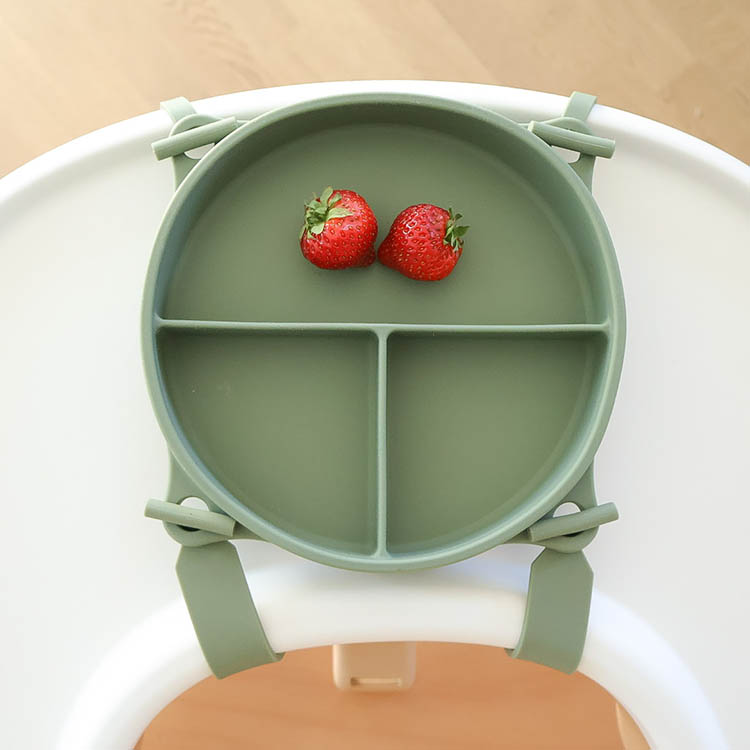
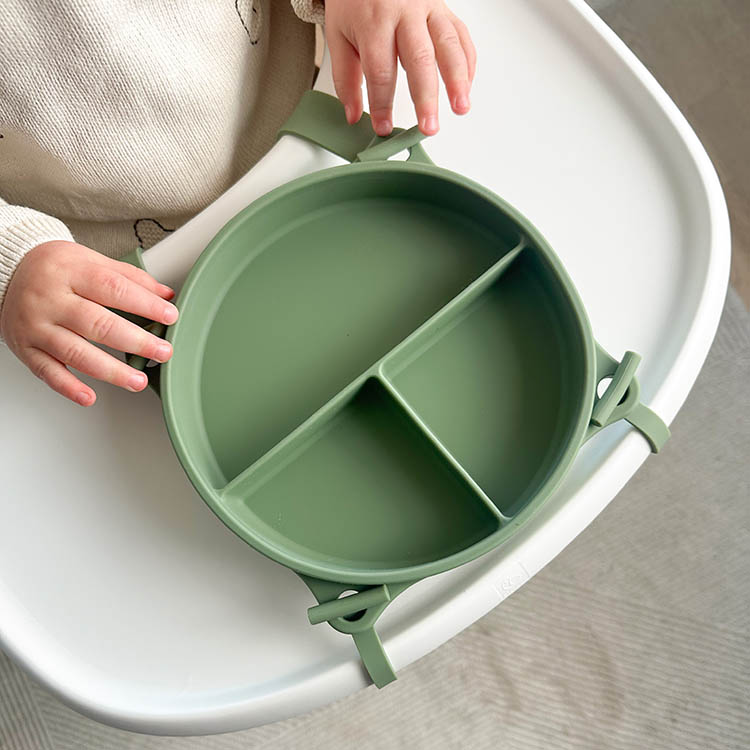
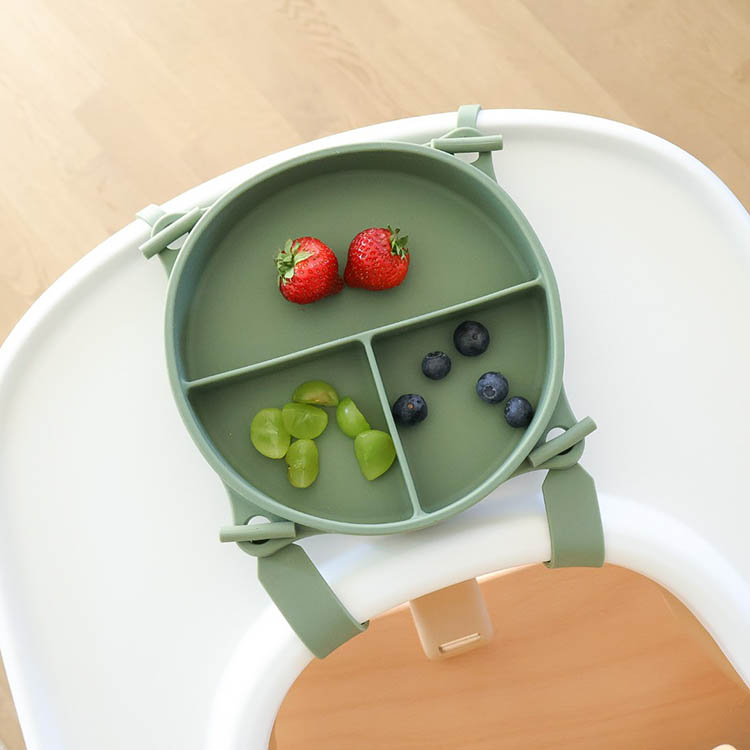
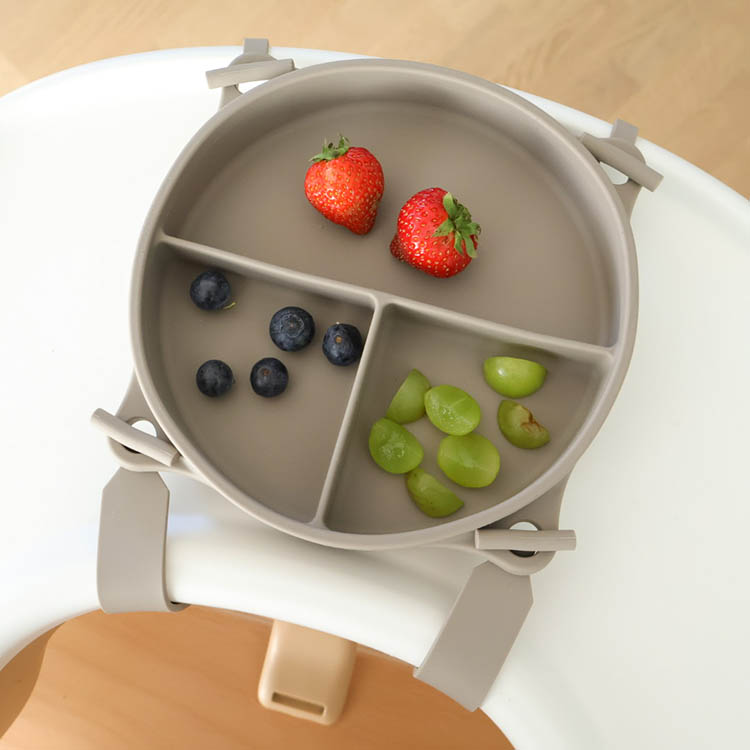
The final design settled on three divided compartments – one larger and two smaller – helping the child distinguish between foods and create structure during the meal. The division is not only practical, but pedagogical. When food is presented clearly, it becomes easier to focus on what is actually being explored. A suction cup at the base, together with two straps beneath the tray, keeps the plate firmly in place.
From one kitchen table to many
Much of the commercial work took place alongside Sandra’s parental leave. When the first finished units arrived home in the summer of 2024, their youngest child was exactly the same age as their eldest had been when the idea was born. The two-year journey was marked by fresh iterations, new calculations and decisions that cost more than planned. But the response came quickly. Other parents of young children got in touch, recognising the situation, as did parents of children with disabilities who described calmer mealtimes and improved focus. The product spread through parent networks and eventually found its place with retailers such as SmartaSaker.
Now their focus turns to the future. With the plate established, they are exploring how the solution can continue to grow. The core idea has always been modular – multiple products using the same straps. Next in line is a bowl – a natural next step in the range.
A plate you can rely on
Small children test the world by influencing it. They pull to feel resistance, twist to see what happens, and repeat until the world responds. When the plate no longer reacts, it loses its appeal – and the meal remains.
Sandra and Anders chose to account for the behaviour rather than change it. It was not about stopping children from testing, but about building something that withstands the test.
Tips for Other Innovators
Start simple – create a prototype at home and test whether the solution works in practice.Dare to invest – it does not need to be perfect from the outset.
Stay humble – it may cost more and take longer than you think.
Small children explore the world through movement. They pull to feel resistance, twist to see what happens, and turn upside down whatever can be turned. At the dining table this is especially clear: if the plate can be lifted, it will be lifted – and moments later it is on the floor. For Sandra Karlsson and Anders Larsson, wiping up became more than just a passing phase. But instead of trying to change the behaviour, they chose to change the conditions – with a children’s plate that fastens underneath the tray and withstands every determined attempt to lift it.
Understanding the strength of small hands
There is no shortage of children’s plates. With multiple compartments, cheerful colours and high rims to keep food in place. Yet they are surprisingly easy to move. During her parental leave in 2022, Sandra began experimenting – first in theory, then at the kitchen table. With fifteen years’ experience in retail, she is used to identifying gaps where everyday life and product offerings do not quite meet.
– I began to realise that everyone had focused on making sure plates stayed still on the table. But no one had really accounted for the fact that children often try to lift them.
Instead of making the plate more stable on top of the tray, she began exploring how it could be anchored from underneath. She created an initial prototype at home using a glue gun, mainly to test whether the idea worked in practice. It was a simple, almost obvious adjustment – but the effect was immediate. Small hands pulled and twisted, testing the edge and grip, yet the plate did not move. And when it no longer responded to attempts to shift it, something else happened: attention shifted to the food.
– It was a very simple prototype, just to test the idea. But when our son tugged and pulled and it still stayed in place, we felt we were on to something.
Design through iteration
When she looked more closely at design registers in Sweden, Norway and the EU, it turned out that no similar solution had been registered. What remained was to determine whether the idea would hold up all the way – not just in theory.
At this stage, Anders became a key part of the development. With his background as a chartered engineer, he was able to take the ideas from paper sketches to refined CAD drawings and 3D-printed prototypes. What had previously existed only in their minds suddenly had weight and form – something to twist and turn, examine and question. And it was at the kitchen table that they were put to the test in everyday life: they had to withstand curious small hands and the stubborn strength that comes with them.
But it is one thing to make a prototype work at the kitchen table. It is another to prepare it for production. Custom tooling had to be developed, material choices secured and certifications arranged – each decision carrying consequences for both time and budget. In practice, this meant that the tools for both the plate and the straps had to be remade several times.
– Every time we changed the tooling, it took around 30 days. And every change costs money. In the end, we were almost six times over the original budget.
The hardness of the straps proved particularly crucial. The first versions were too soft and could not withstand the strain. To increase durability, the hardness of the straps was raised, while the plate itself was reinforced to make it more robust. This required further tooling adjustments – driving costs up even more.
The final design settled on three divided compartments – one larger and two smaller – helping the child distinguish between foods and create structure during the meal. The division is not only practical, but pedagogical. When food is presented clearly, it becomes easier to focus on what is actually being explored. A suction cup at the base, together with two straps beneath the tray, keeps the plate firmly in place.
From one kitchen table to many
Much of the commercial work took place alongside Sandra’s parental leave. When the first finished units arrived home in the summer of 2024, their youngest child was exactly the same age as their eldest had been when the idea was born. The two-year journey was marked by fresh iterations, new calculations and decisions that cost more than planned. But the response came quickly. Other parents of young children got in touch, recognising the situation, as did parents of children with disabilities who described calmer mealtimes and improved focus. The product spread through parent networks and eventually found its place with retailers such as SmartaSaker.
Now their focus turns to the future. With the plate established, they are exploring how the solution can continue to grow. The core idea has always been modular – multiple products using the same straps. Next in line is a bowl – a natural next step in the range.
A plate you can rely on
Small children test the world by influencing it. They pull to feel resistance, twist to see what happens, and repeat until the world responds. When the plate no longer reacts, it loses its appeal – and the meal remains.
Sandra and Anders chose to account for the behaviour rather than change it. It was not about stopping children from testing, but about building something that withstands the test.
Tips for Other Innovators
Start simple – create a prototype at home and test whether the solution works in practice.Dare to invest – it does not need to be perfect from the outset.
Stay humble – it may cost more and take longer than you think.




![% text('country_no') %]](/themes/enterprise/design/bilder/flags/no.svg)