Rehabilitation from within
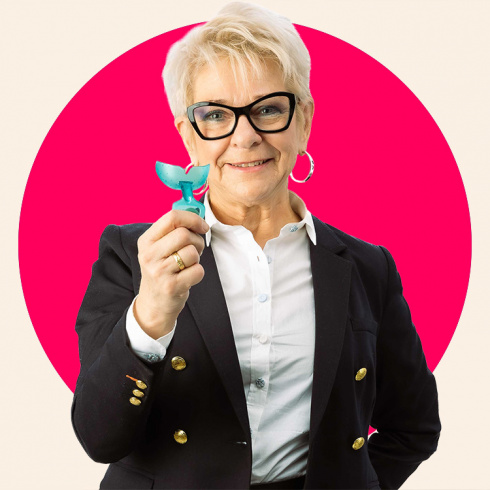
Innovator: Mary Hägg
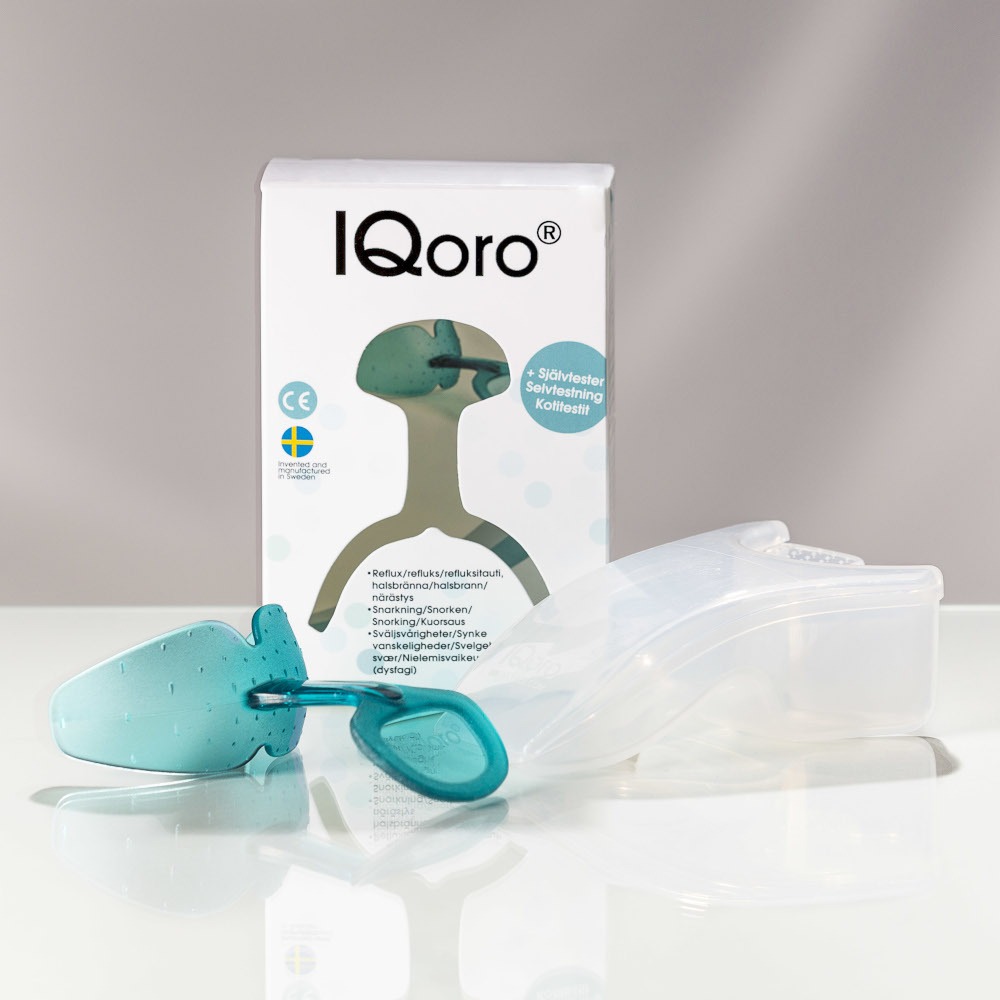
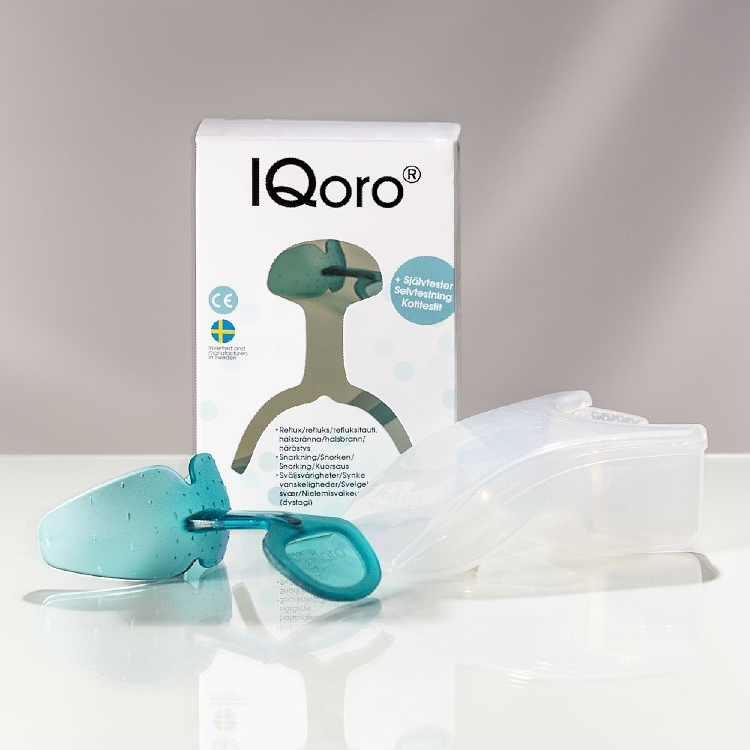
Innovation: Reflux trainer, IQoro
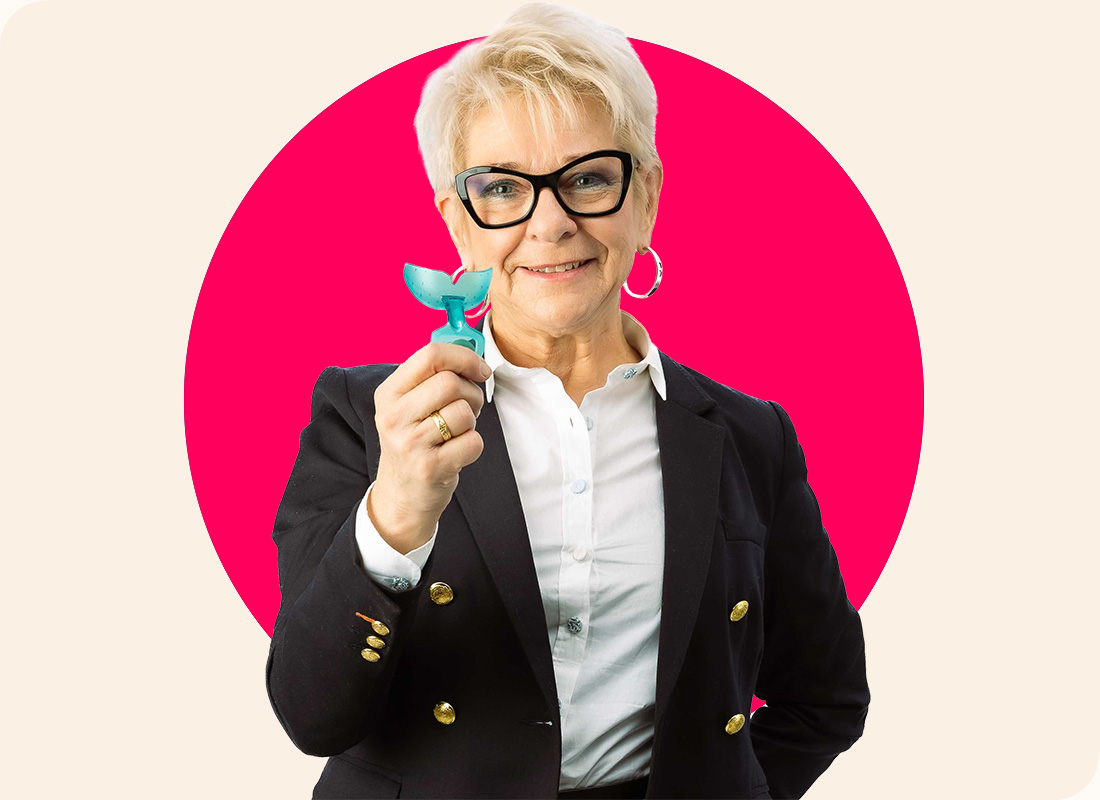
148 muscles work together when we swallow. It is a finely tuned system of nerve signals, reflexes and muscle chains that usually goes unnoticed – until the function stops working. For Mary Hägg, fascination with this interplay became the starting point for a journey spanning almost three decades, during which education, research, clinical practice and neuromuscular training were woven together into IQoro – the training device that helps the body regain its natural functions.
During the 1980s, Mary Hägg worked as a hospital dentist specialising in orofacial medicine, but she became increasingly drawn to the interaction between the nervous system, the muscles and rehabilitation. In meeting patients who had lost their ability to swallow, she began questioning why rehabilitation progressed so slowly, and why healthcare had so few effective methods to help people return to a functioning everyday life.
– I didn’t think traditional treatment was fast enough. And science couldn’t provide the answers either.
While on parental leave with her fourth child, Mary began studying neurophysiology. There, her fascination grew for how the body’s neural pathways govern some of our most fundamental functions. Within the oral cavity are several cranial nerves directly connected to the brain’s central functions – neural pathways that control breathing, swallowing, coughing and speech without passing through the spinal cord. For Mary, this marked the beginning of a new way of viewing the swallowing process: not as an isolated function, but as part of a broader interaction involving breathing, sleep and reflux-related problems. If the body could naturally activate these functions during swallowing, then surely it should also be possible to retrain them.
Rethinking rehabilitation
What began as a personal drive quickly expanded into healthcare itself. Mary gathered research on neuromuscular rehabilitation, lectured on her ideas and discussed new treatment methods with colleagues in fields including neurology, paediatrics, radiology, speech and language therapy, and internal medicine.
– We met in the evenings and during lunch breaks to read research papers together. More and more people began to recognise the potential of the work.
Eventually, the regional healthcare authority supported a new project in which several areas of healthcare began collaborating around patients with swallowing, reflux and breathing difficulties. Over six years, standardised examination methods and treatment programmes were developed, while the results attracted growing attention from clinics across the country.
At the same time, Mary established an interdisciplinary ENT service in order to meet patients directly and continue developing the methods in practice. Between 1990 and 2021, she led the service while combining clinical work with research, education and product development. Simultaneously, she sought funding to take the ideas further. At the time, knowledge of neuromuscular swallowing rehabilitation was still limited in Sweden, which led her to specialist centres in places such as Argentina and Vienna – and later to specialist training at Johns Hopkins University in the United States.
Measuring the invisible
To understand what was actually happening inside the body, Mary developed her own methods for measuring swallowing function and muscle strength. Together with an engineer in Gothenburg, she created an instrument capable of measuring the force within the muscle chains activated during swallowing and breathing. The measurements revealed clear differences in patients who had suffered strokes, where the musculature was often severely weakened – in some cases almost entirely without strength. At the same time, another pattern began to emerge: the muscles could only work effectively for very short periods.
Out of this work, IQoro gradually took shape. Instead of lengthy training sessions, Mary designed the method around short activations that stimulate the interaction between the nervous system and the muscles.
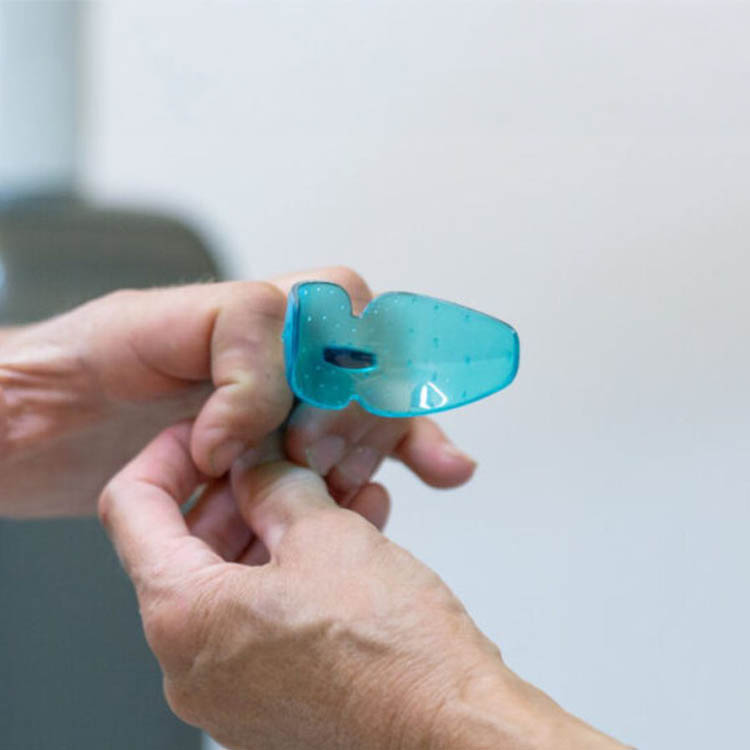
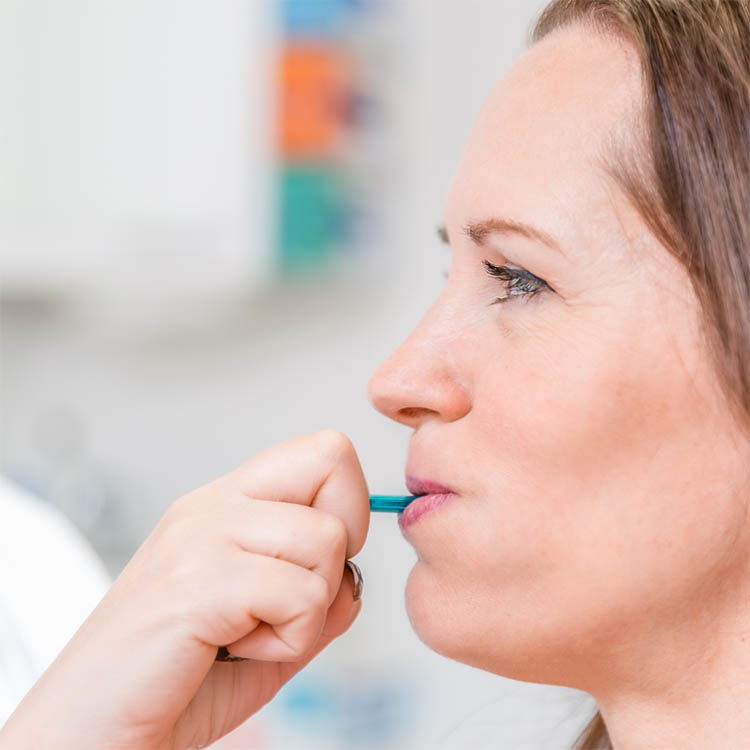
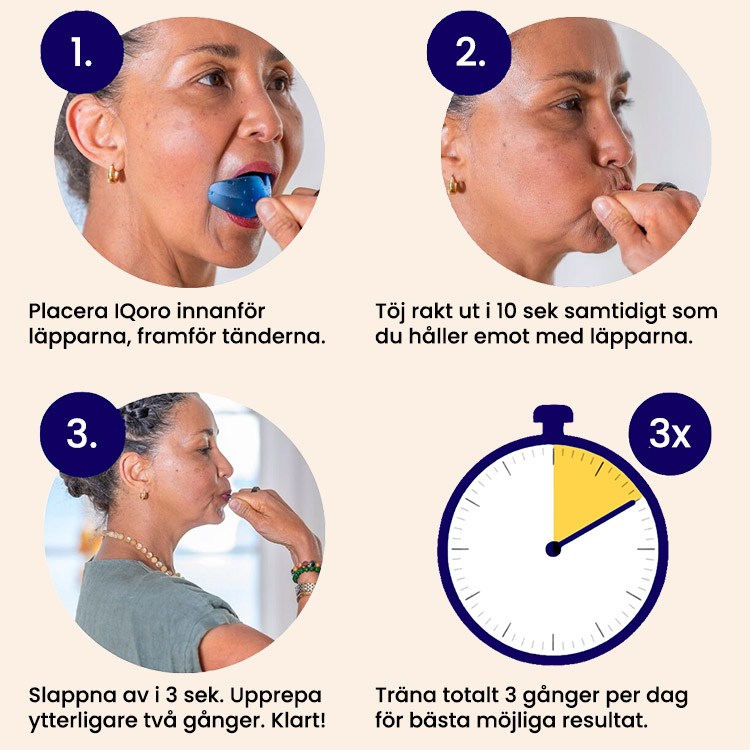
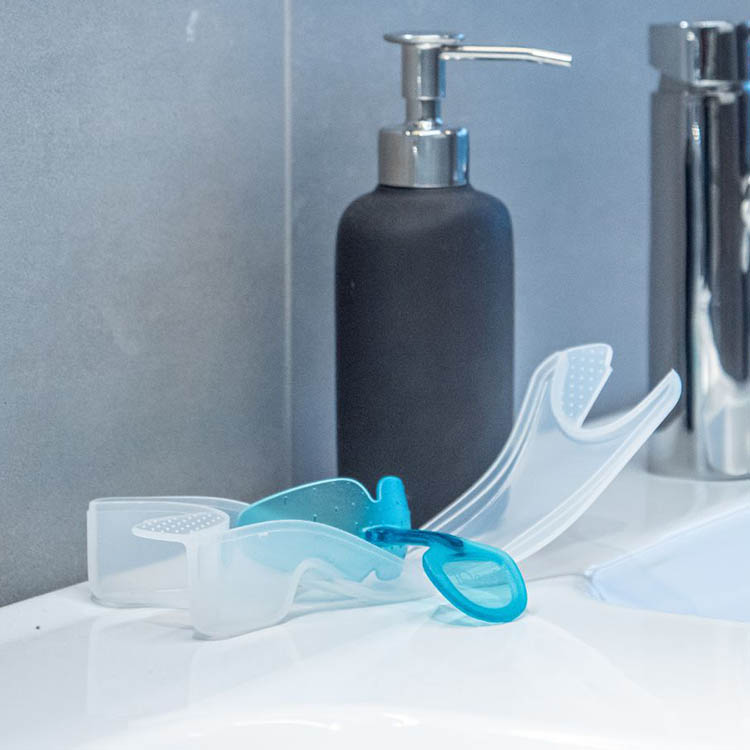
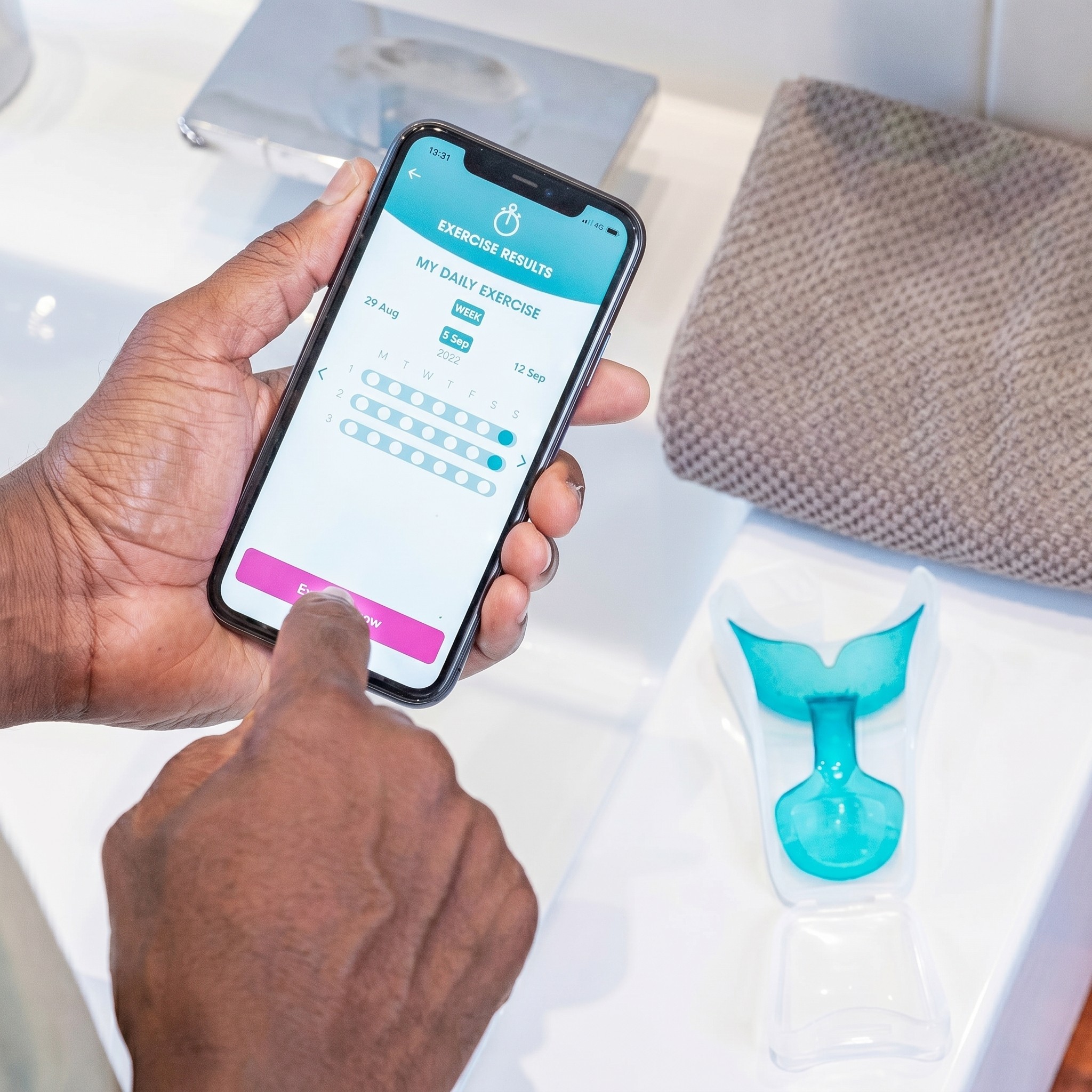
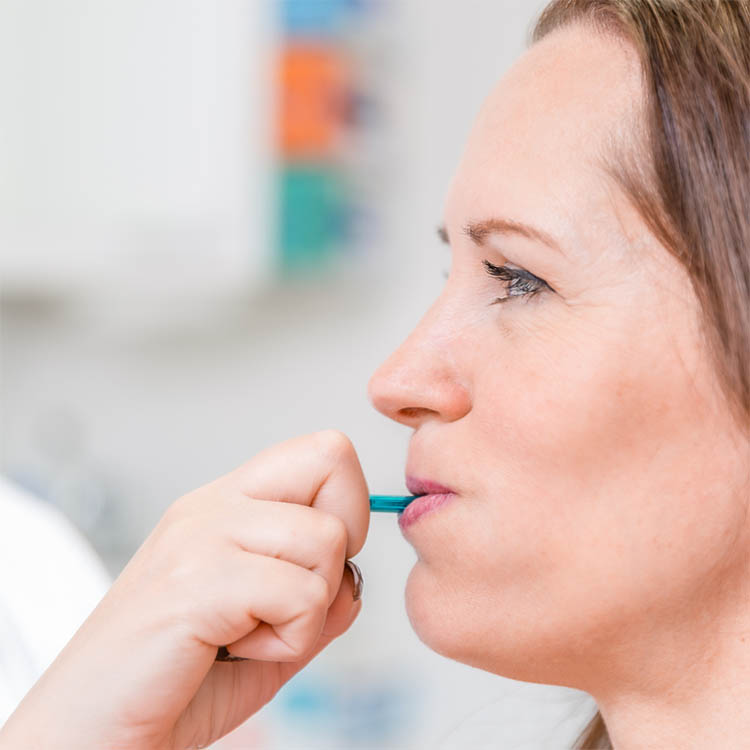
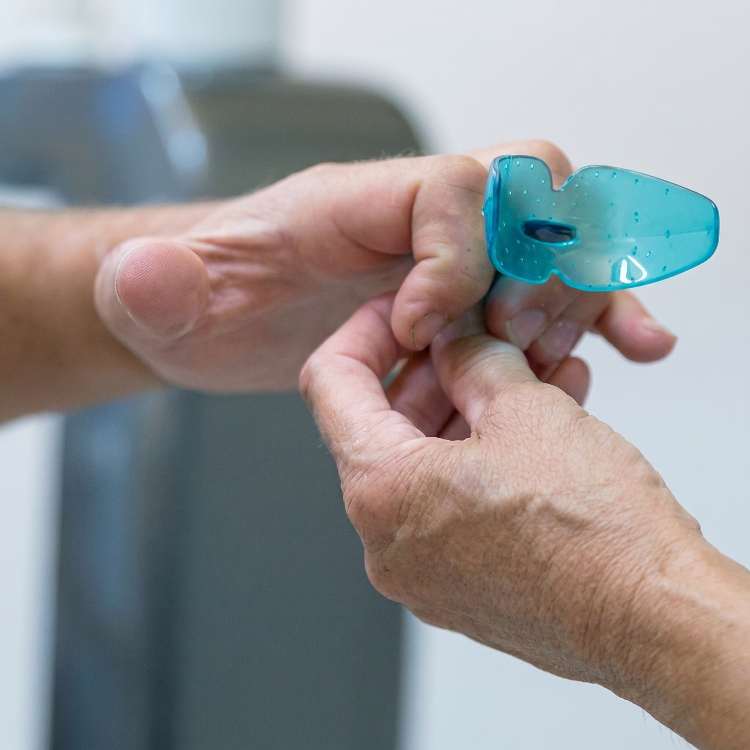
IQoro is used by placing the device inside the lips while the user pulls it forwards and resists using the lip and throat muscles in short intervals. The training is performed three times a day and stimulates neural pathways while activating the muscle chains associated with swallowing, breathing and diaphragm function – systems that also affect reflux, sleep apnoea and swallowing difficulties.
When the method began to be used clinically, the results quickly became apparent. People who had long suffered from reflux or swallowing problems started to regain functions whose loss had affected every aspect of their lives. In studies involving stroke patients, a large proportion regained normal swallowing function after only a few weeks of training. Patients with reflux problems and elderly individuals with swallowing difficulties also demonstrated clear improvements compared with traditional treatment. For many, the difference was practical as well. Previous rehabilitation often required long training sessions and numerous healthcare visits, whereas the IQoro method was based on self-training at home with three short sessions per day.
Over time, the results also began attracting international attention. Today, IQoro is used in around 100 hospitals across the United Kingdom, where the product has prescribing approval for conditions including reflux caused by hiatus hernia and dysphagia following stroke, which often causes paralysis in the face and throat. The method is also used throughout the Nordic countries and in several other European nations. Yet for Mary, the most important aspect has always been what these results mean in people’s daily lives.
– Helping people achieve a better quality of life is what makes a real difference.
A lifetime of persistence and innovation
The idea for IQoro was born as early as 1986, but the Swedish patent was not approved until 28 years later. Only then could IQoro be launched onto the market. Today, patents exist in numerous countries, while the method continues to evolve through new studies and clinical experience.
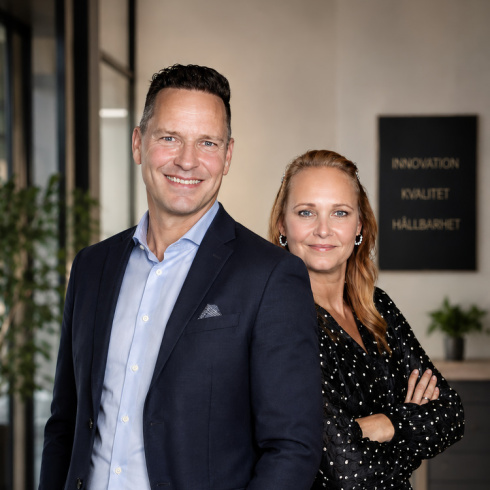
Throughout the journey, Mary has combined clinical practice, research and entrepreneurship. She became a doctoral student shortly after turning 50, earned her PhD in Medicine in 2007, and was later appointed Associate Professor in ENT at Uppsala University. She has also seen her family grow into the business – her eldest daughter, Ylvali, is now CEO, while her daughter Linn works as Head of Business Development. All of the children have followed the company’s development since the first prototypes were created at the family kitchen table.
The fascination with the interaction between the nervous system and the muscles has remained constant throughout – together with the belief that, when stimulated correctly, the body itself can become the path back to recovery.
Tips for other innovators
Protect your idea and find people who believe in it. Patents, confidentiality agreements and the right partnerships can be crucial in taking an idea forward.Understand what drives you. When the journey becomes long, the goal needs to feel genuinely meaningful. It is the desire to make a difference that keeps you going.
Take care of your own resilience. Developing something new requires both passion and long-term stamina. Exercise, recovery and balance help sustain you over time.
![% text('country_no') %]](/themes/enterprise/design/bilder/flags/no.svg)