A new take on the bag clip
Innovator: Tommy Nylundh
Innovation: Wooden bag clips, 5-pack
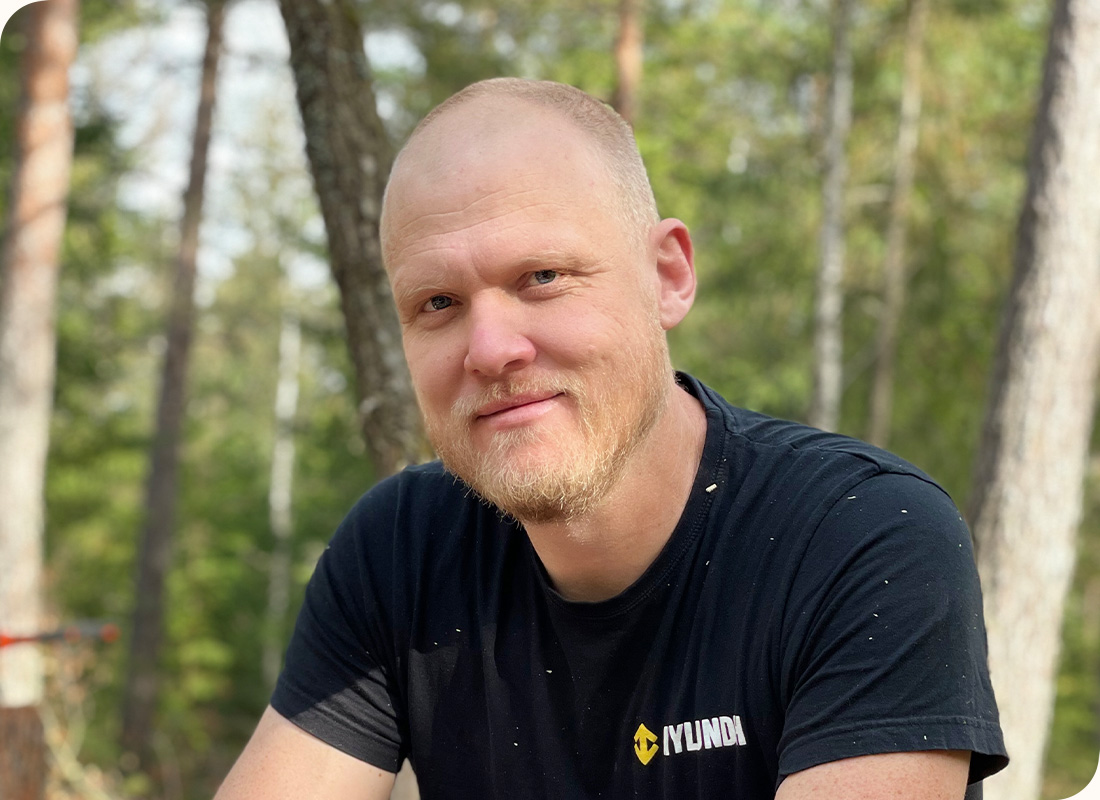
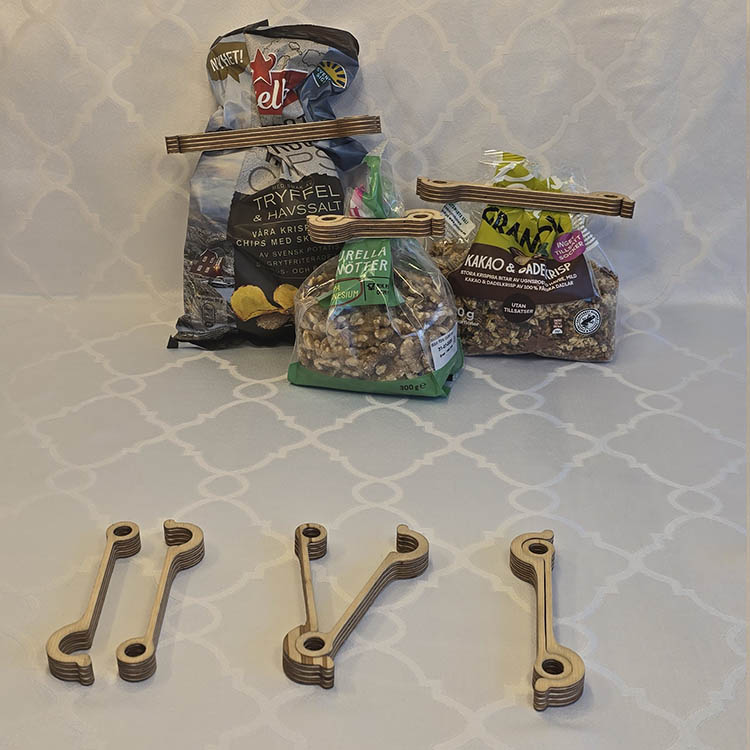
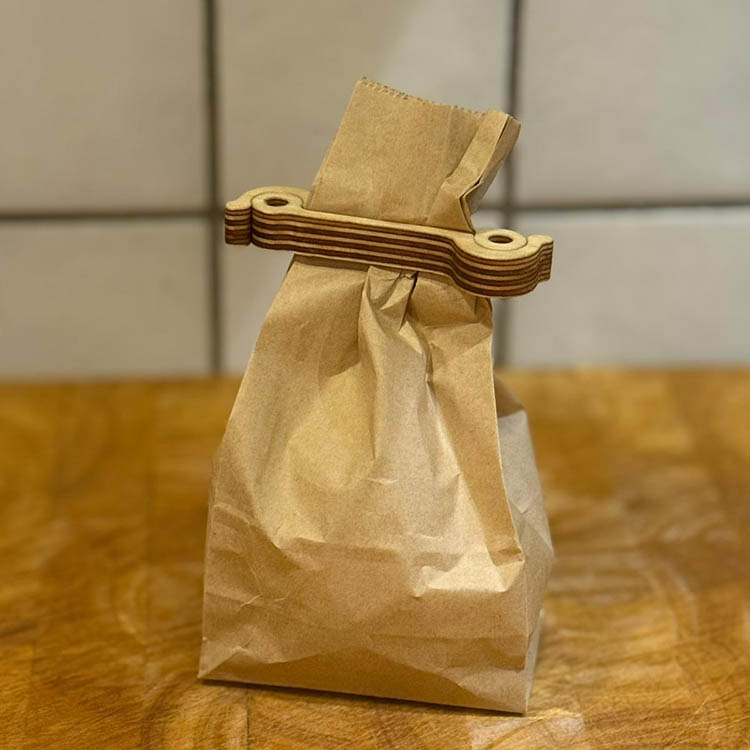
Chip bags, coffee packages, and frozen bread all have one thing in common — somewhere nearby, there is almost always a bag clip involved. Tommy Nylundh from Lilla Edet has taken this kitchen classic one step further with a Swedish-designed version made from wood.
In the workshop between Gothenburg and Trollhättan, the wooden clips take shape from plywood sheets and humming CNC routers. But despite their simple appearance, the process involves precision down to hundredths of a millimeter.
Tommy lives in Lilla Edet and works professionally with heavy house relocations across Sweden. During 2025, he was among those involved in the widely publicized relocation of Kiruna Church. The contrast between moving massive buildings and crafting small wooden clips in his home workshop is striking — even if the margins for error are equally small.
The idea for the wooden clip also emerged during a house-moving assignment, when Tommy met an older man who claimed to have invented the original plastic version.
– We were chatting about all sorts of things when he started talking about the clip he said he had invented. It was one of those things that stuck with me. Many years later, I started wondering whether it would be possible to make a version out of wood instead of plastic — and manufacture it in Sweden as well.
-kopiera_750.jpg)
Precision craftsmanship
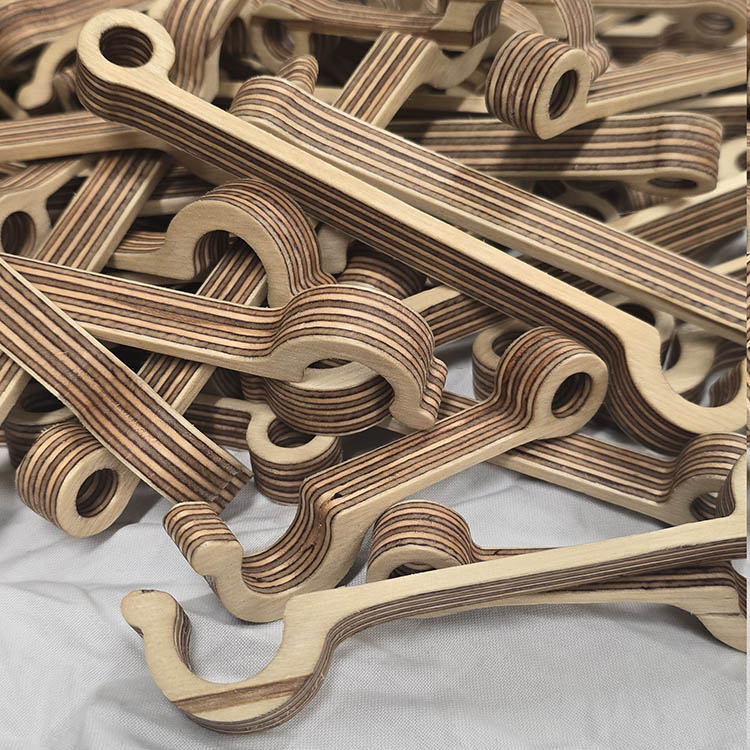
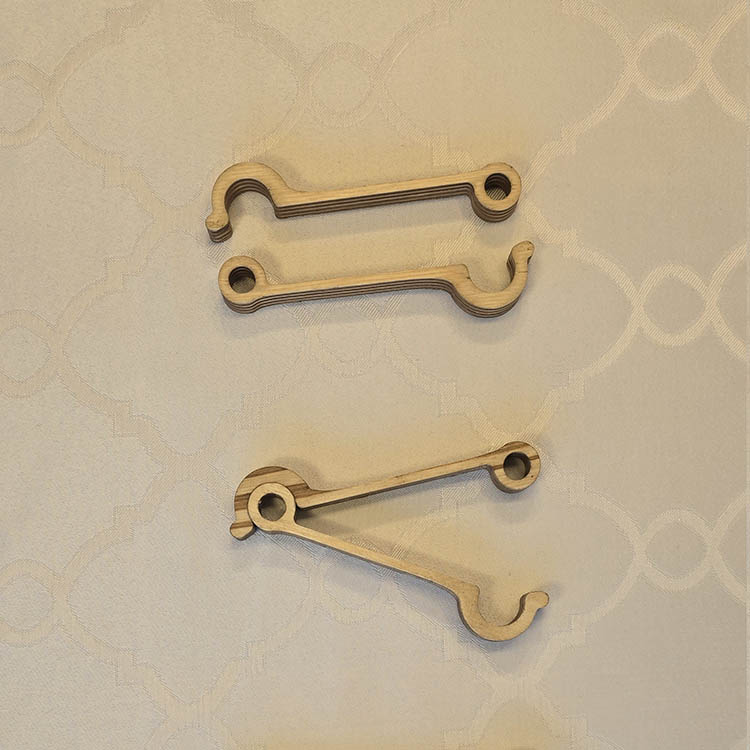
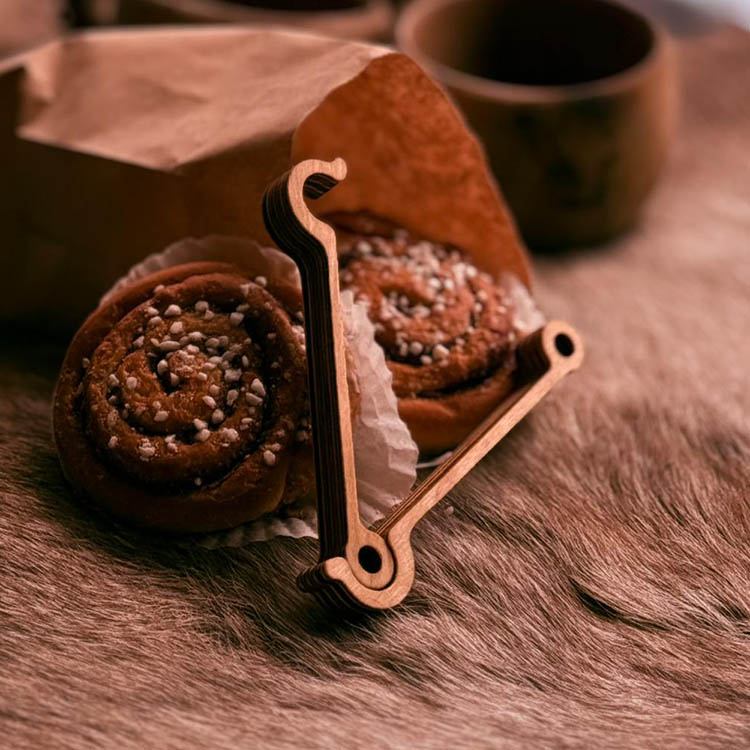
New ideas and personal projects have long filled the workshop in Lilla Edet. As work on the wooden clips gained momentum, so did the understanding of how much tiny details affect both feel and function. Radii, angles, and the way the ball mechanism locks against the wood all had to work together perfectly for the clip to hold tightly while still being easy to open.
– A tenth of a millimeter can determine whether it works or not.
It took around 15 different models before the right feel was achieved. The first prototypes were made from simpler plywood to allow for quick and cost-effective adjustments to details and fit. Over time, the project evolved into using a 9-layer birch plywood, giving the clip the precision, weight, and durability Tommy was aiming for.
Once the design was finalized, production also began to take its current form. Together with Johannes Alfredsson, both the construction and manufacturing process were refined step by step, with Johannes developing the programs for the CNC machine.
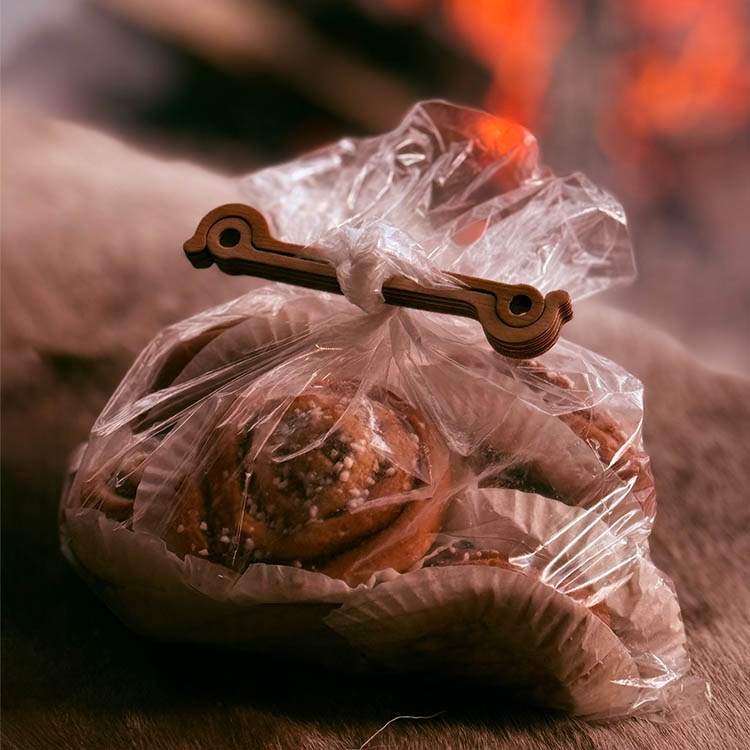
Today, the plywood sheets are milled, the parts are separated in vibration tables, tumbled smooth, and oiled before being packaged. But no matter how refined the process becomes, the clips are truly tested at home in the kitchen. It is around coffee bags, chip bags, and frozen bread that you notice whether the feel and grip are exactly right.
-kopiera_750.jpg)
-kopiera_750.jpg)
Full speed ahead
Today, both the shape and locking mechanism are protected through patents and design protection. At the same time, development of the clips continues. They are already available in several sizes and may eventually be adapted for even more applications.
And new ideas are rarely far away. The wooden bag clip is just one of many projects filling the workshop in Lilla Edet. Alongside the clips, Tommy also works on solutions related to pipe pressing and protective shelters. What ties everything together is the drive to test, adjust, and refine until both feel and function are exactly right.
Tips for other Innovators
Don’t be afraid to ask for help and learn the things you do not yet know.If you have an idea — try it. Many best-selling products never become reality because someone didn’t dare to pursue them.
Don’t be afraid of losing money during the process. After all, you can’t take it with you to the grave.








![% text('country_no') %]](/themes/enterprise/design/bilder/flags/no.svg)